1
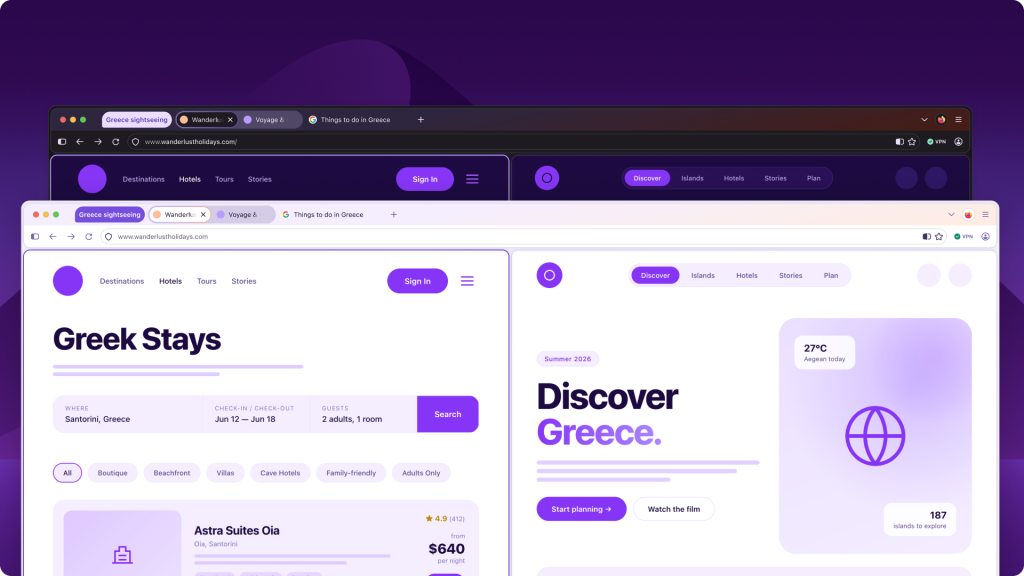
Firefox is about to look very different—or at least, it was supposed to… Mozilla’s long-in-development Project Nova redesign is expected to roll out broadly with Firefox 157 on September 29, giving the browser softer tabs, refreshed icons, warmer colors, new themes, more consistent components, and the apparently legally required 2026 ingredient: rounded corners.
But the interesting design story isn’t what Mozilla added. It’s what it backed away from.
Early Nova designs were considerably bolder, with floating toolbars, gaps separating browser chrome from the webpage, heavier rounding, and pastel gradients. As Nova moved through testing, Mozilla dialed several of those ideas back. The gaps largely disappeared, the rounding became less aggressive, and Compact Mode returned after users complained about wasted space.
The result is less Firefox reinvents itself and more Firefox gets a very expensive haircut.
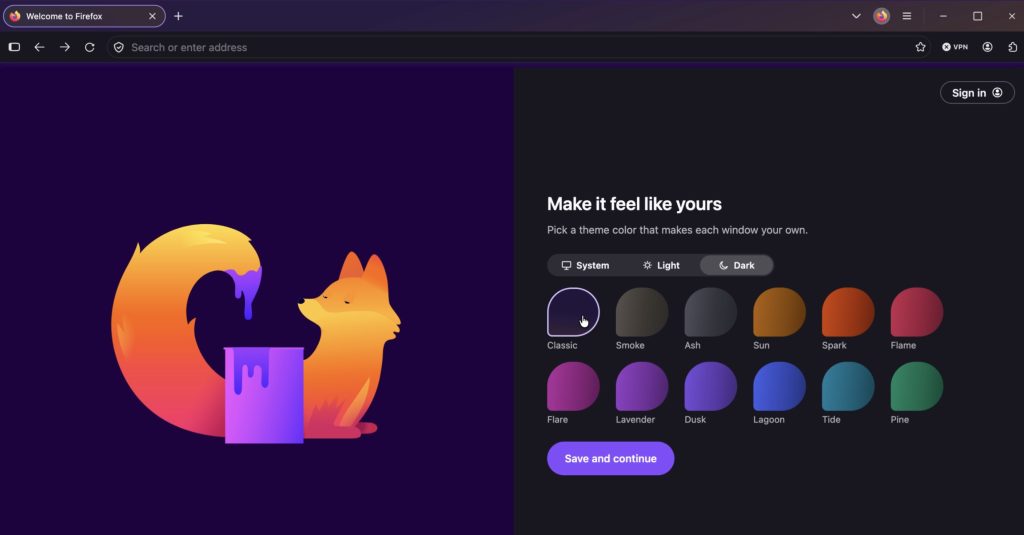
Firefox Joins the Great Rounding of Everything
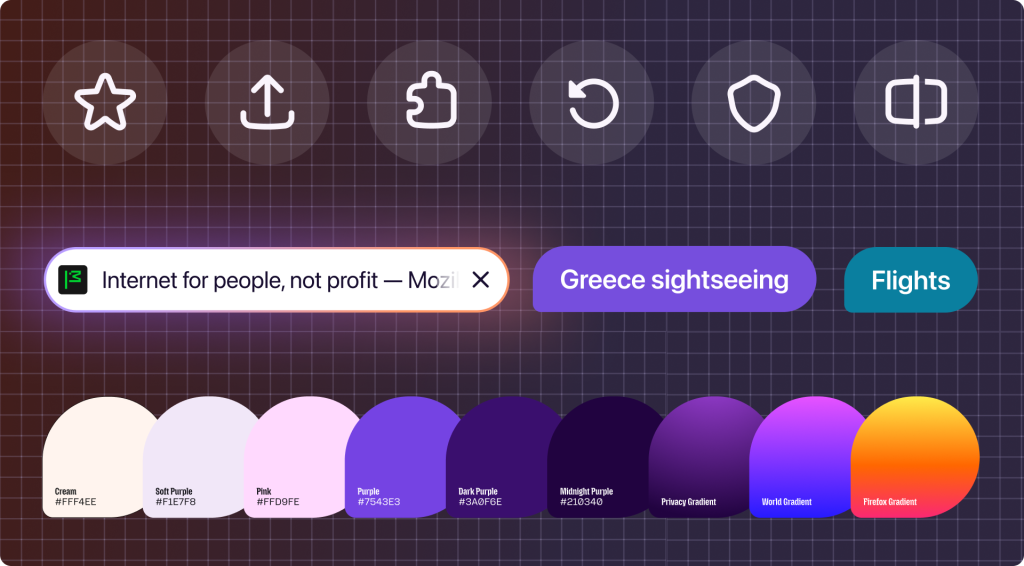
Mozilla says it wants Firefox to feel “current, but not generic,” with a warmer palette inspired by fire, softer tab shapes and a subtle gradient around the active tab. It has also redesigned components and icons to create a more coherent design system across desktop and mobile.
There’s just one problem: rounded components, gradients and softer interfaces are precisely what everyone else is doing.
Apple has Liquid Glass. Google continues pushing softer Material styling. And seemingly every SaaS dashboard created since 2024 looks like someone discovered border-radius: 16px and refused to put it down.
Firefox risks modernizing itself directly into sameness.
Mozilla’s community certainly noticed. Feedback on Nova has included complaints about wasted screen space and the seemingly endless industry obsession with rounding every available corner. Mozilla responded to some of that criticism by restoring Compact Mode and experimenting with controls over interface roundness.
And that’s actually the smartest part of Nova.
The Real Design Lesson
Firefox could have imposed a fashionable new interface and told millions of users to get used to it. Instead, Mozilla tested the design publicly, listened when people hated parts of it, and changed them. That’s not glamorous design. It’s good UX.
For web designers, Nova is also a useful reminder that a design system shouldn’t exist simply to make everything prettier. Mozilla says the new system uses shared tokens, components and patterns so new Firefox features can feel integrated rather than bolted on.
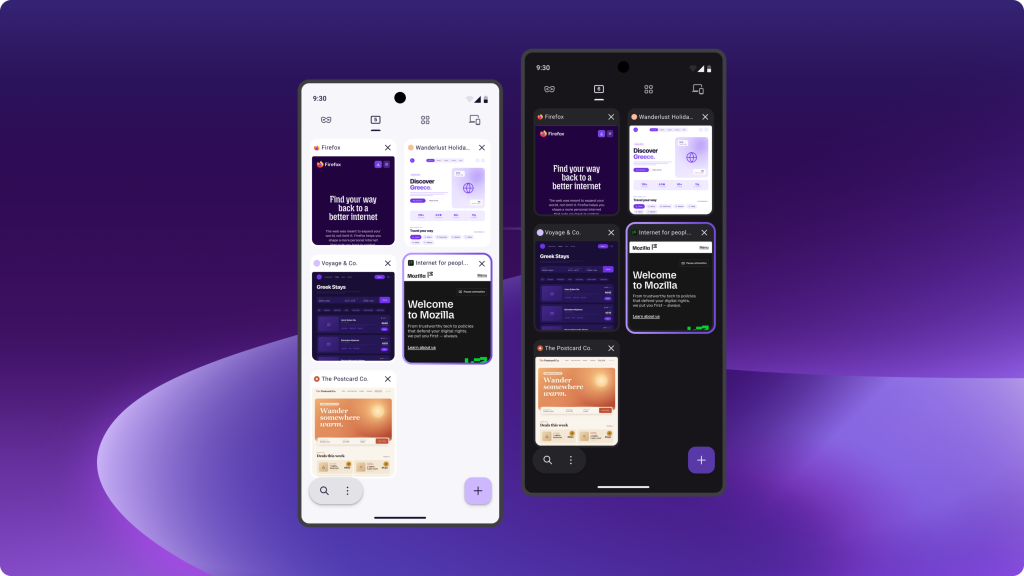
That’s arguably more important than whether the tabs are 8px or 14px round.
Firefox 157 is currently scheduled for September 29, so we’ll soon find out whether Nova feels like a genuinely refreshed browser—or Firefox wearing the same rounded-corner uniform as everybody else.
Either way, one thing is reassuring. Compact Mode survived.

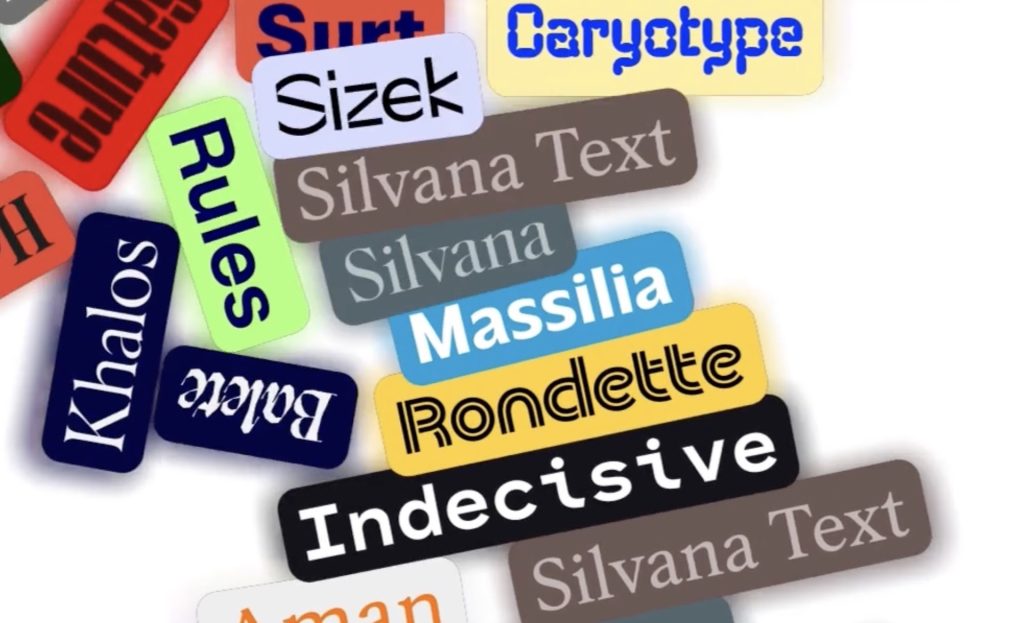
5 Creative Type Foundries You Should Know About
Typography gets much more interesting once you wander beyond the familiar font libraries. These five independent foundries are producing typefaces with enough personality to completely change the character of a…

She Taught the Macintosh to Smile
The original Macintosh had a problem that had nothing to do with processing power: computers were intimidating. They spoke in commands and technical language, and there wasn’t much about them that…
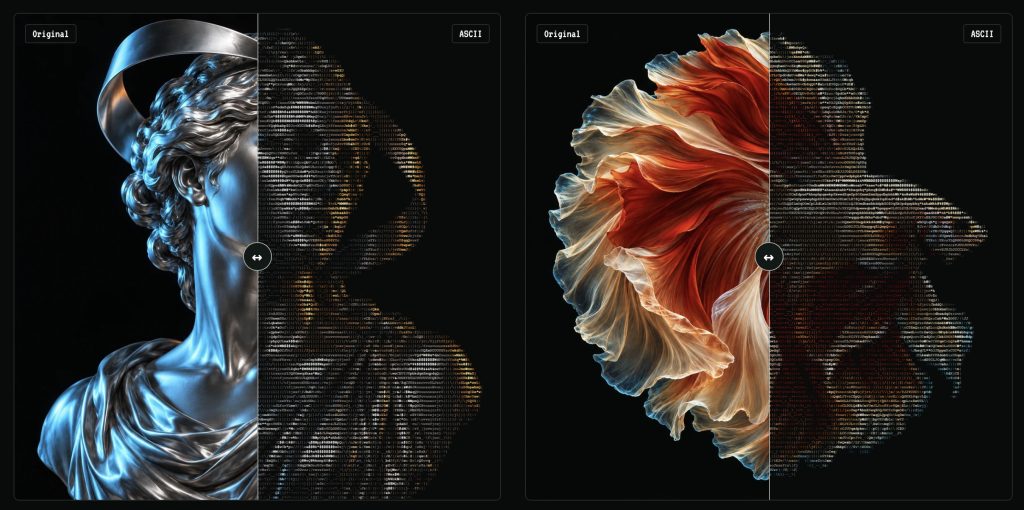
Turn Any Photo Into Retro ASCII Art in Seconds
What if your photo looked like it had escaped from a 1987 computer terminal? Image to ASCII turns JPGs, PNGs, WebPs, and GIFs into surprisingly stylish art made entirely from letters, symbols,…

Canva Just Turned Affinity Into Adobe’s Biggest Free Problem
Canva has connected Affinity, Cavalry, Flourish, and Leonardo into a new pro-creative ecosystem—and it is keeping the core Affinity and Cavalry apps free. Adobe is not about to vanish in…
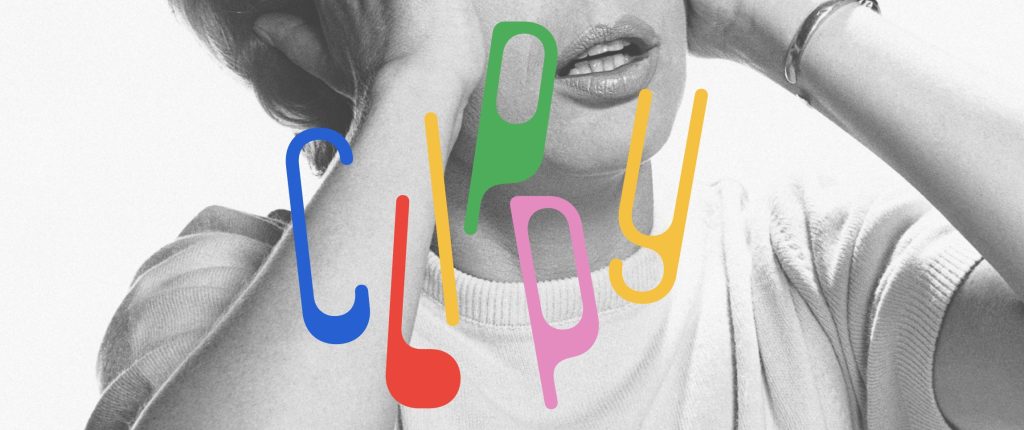
This Weird 1973 Typeface Just Came Back From the Dead
Some typefaces age gracefully. Others disappear for half a century and come back looking strangely perfect for the internet. Clippy definitely belongs in the second category. The wonderfully odd typeface…
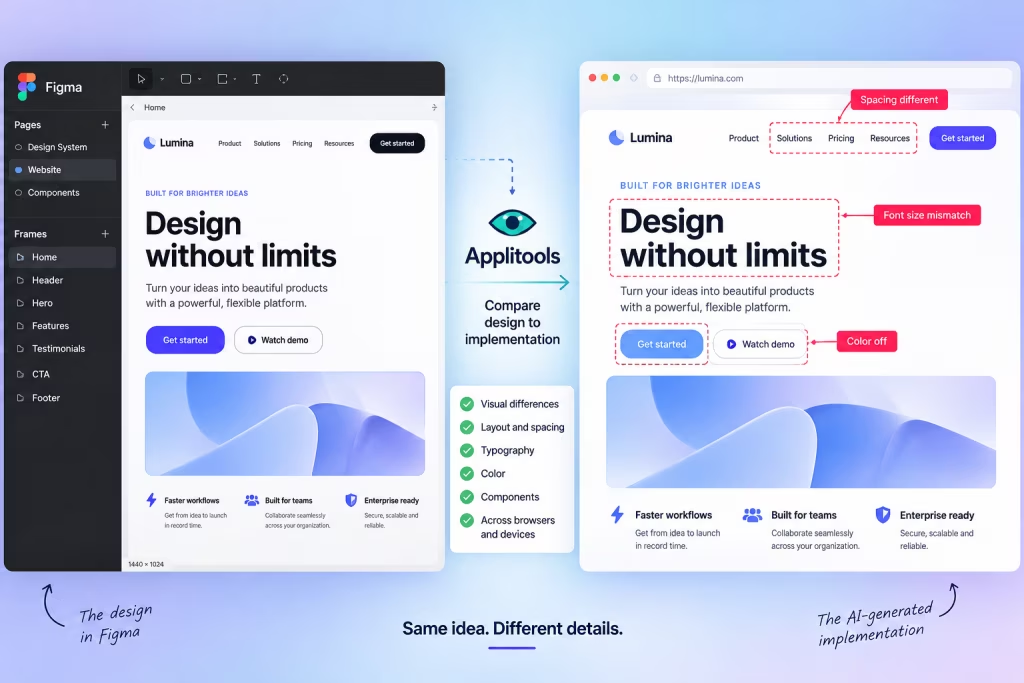
AI Can Build Your UI. Now Figma Can Tell It When It Screwed Up.
AI coding tools have become remarkably good at turning prompts into working interfaces. The awkward part comes afterward: does the thing they built actually look like the design? A new…