
1
Canva is best known for presentations, social posts and making everyone in the office think they’re a graphic designer. But it has quietly become something else: a surprisingly huge website platform.
Canva says close to one million new websites are now being published through its platform every month. Since Canva Websites launched in 2022, more than 89 million websites have been created.
Those are numbers web designers probably shouldn’t ignore.
Canva Websites Is Growing Up
The website improvements are part of a much bigger push. Canva says it has shipped more than 100 updates to its Visual Suite this year, covering websites, video, AI and other creative tools.
Canva Websites itself is getting noticeably more capable. Users can now add custom navigation for sites with up to 20 sections, along with SEO titles and improved domain controls. Canva also offers responsive layouts, custom domains, analytics and password protection.
Then there’s Canva Code, which lets users create interactive elements from prompts instead of writing the code themselves. Canva says more than six million experiences have already been created with it.
This is starting to look less like a presentation tool that happens to publish web pages and more like an actual website builder.
Should Web Designers Care?
Yes — but probably not for the reason you think.
Canva isn’t about to replace developers building complex ecommerce stores, web apps or highly customized websites. It’s going after something much simpler — and potentially much bigger.
It’s making the basic website almost ridiculously easy to create.
A freelancer needs a portfolio. A restaurant wants a menu online. A company needs a landing page by this afternoon. A designer has already created a campaign in Canva and now wants to turn it into a website.
Those are jobs that once required a separate website builder — and sometimes a web designer.
Now the website can simply become another output from the same Canva project.
The Bigger Threat Is Convenience
That’s where things get interesting for web designers.
Canva doesn’t need to beat WordPress, Webflow or Framer on features. It just needs to be good enough for millions of simple websites — while being considerably easier for people who already use it.
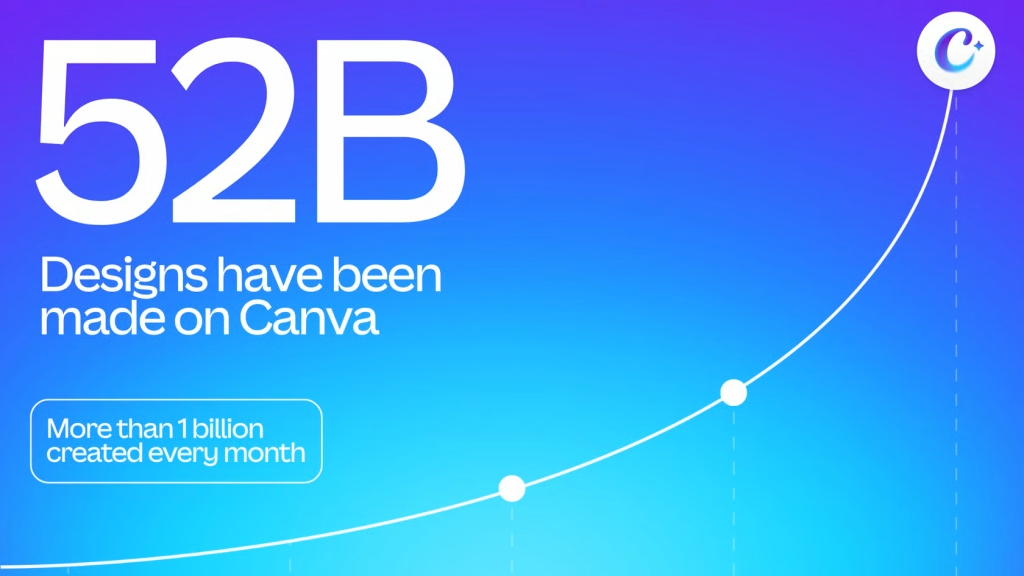
And Canva has a gigantic pool of those people. The company says more than one billion designs are created on Canva every month.
The gap between designing something and putting it on the web is getting remarkably small.
Canva still isn’t replacing professional web design.
But at nearly one million published websites a month, dismissing it as the tool people use to make Instagram posts is getting much harder.

She Taught the Macintosh to Smile
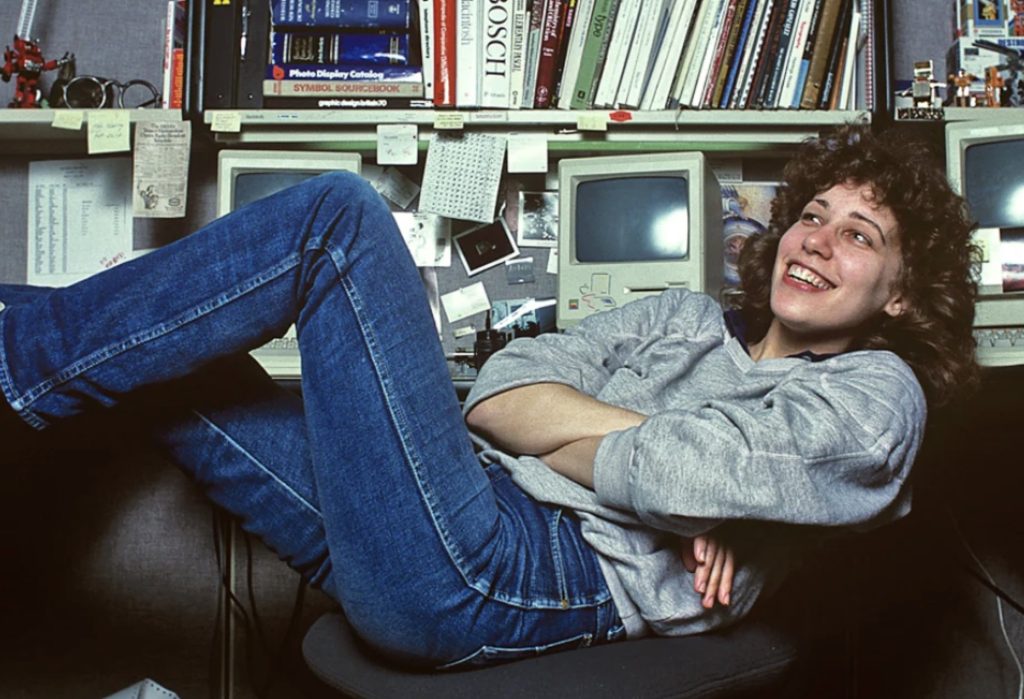
The original Macintosh had a problem that had nothing to do with processing power: computers were intimidating. They spoke in commands and technical language, and there wasn’t much about them that…
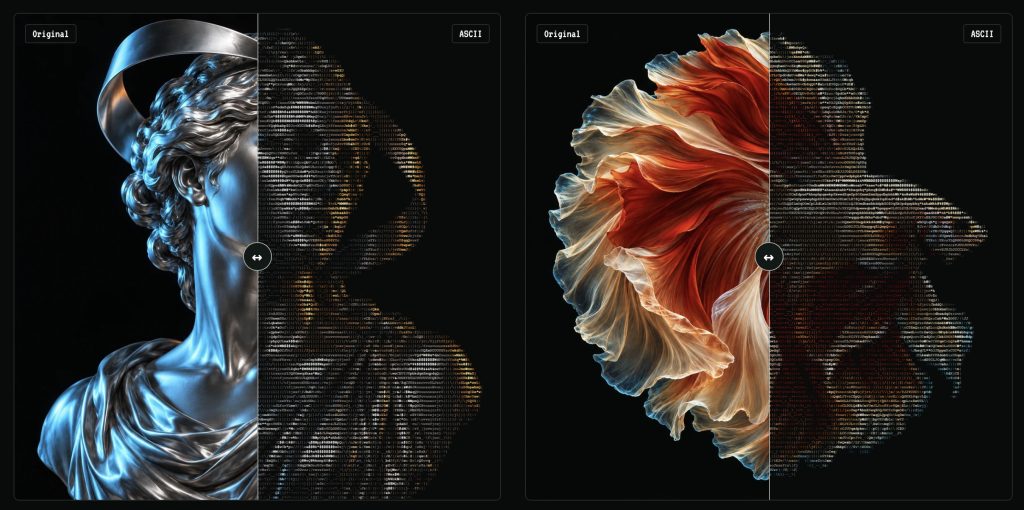
Turn Any Photo Into Retro ASCII Art in Seconds
What if your photo looked like it had escaped from a 1987 computer terminal? Image to ASCII turns JPGs, PNGs, WebPs, and GIFs into surprisingly stylish art made entirely from letters, symbols,…

Canva Just Turned Affinity Into Adobe’s Biggest Free Problem
Canva has connected Affinity, Cavalry, Flourish, and Leonardo into a new pro-creative ecosystem—and it is keeping the core Affinity and Cavalry apps free. Adobe is not about to vanish in…
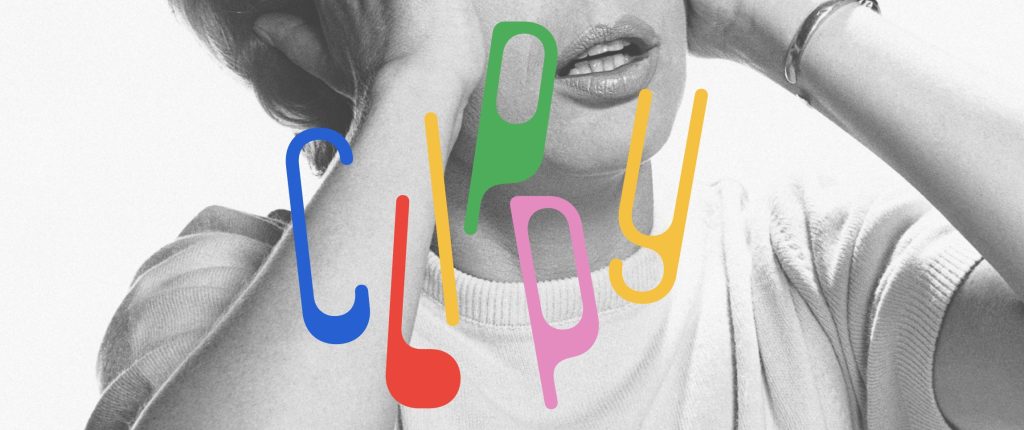
This Weird 1973 Typeface Just Came Back From the Dead
Some typefaces age gracefully. Others disappear for half a century and come back looking strangely perfect for the internet. Clippy definitely belongs in the second category. The wonderfully odd typeface…
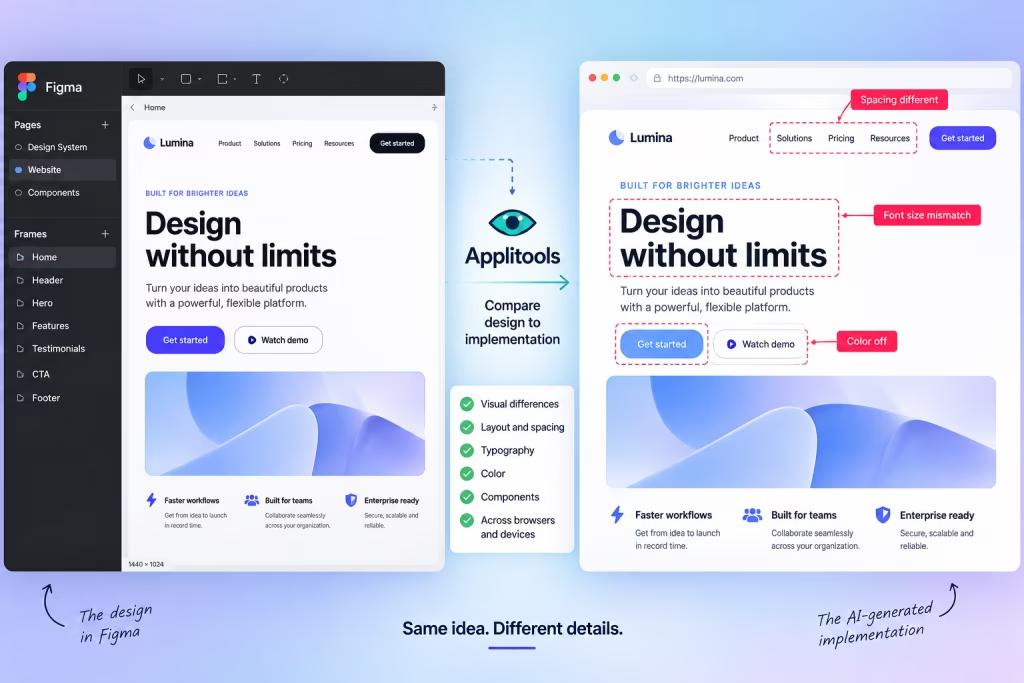
AI Can Build Your UI. Now Figma Can Tell It When It Screwed Up.
AI coding tools have become remarkably good at turning prompts into working interfaces. The awkward part comes afterward: does the thing they built actually look like the design? A new…
25 Places Designers Can Still Find Free, Non-AI Images for Commercial Use
Finding a free image used to be simple. Search Unsplash, download something tasteful, and move on with your life. Now there’s another question: Was this thing actually photographed? AI-generated imagery is…