1
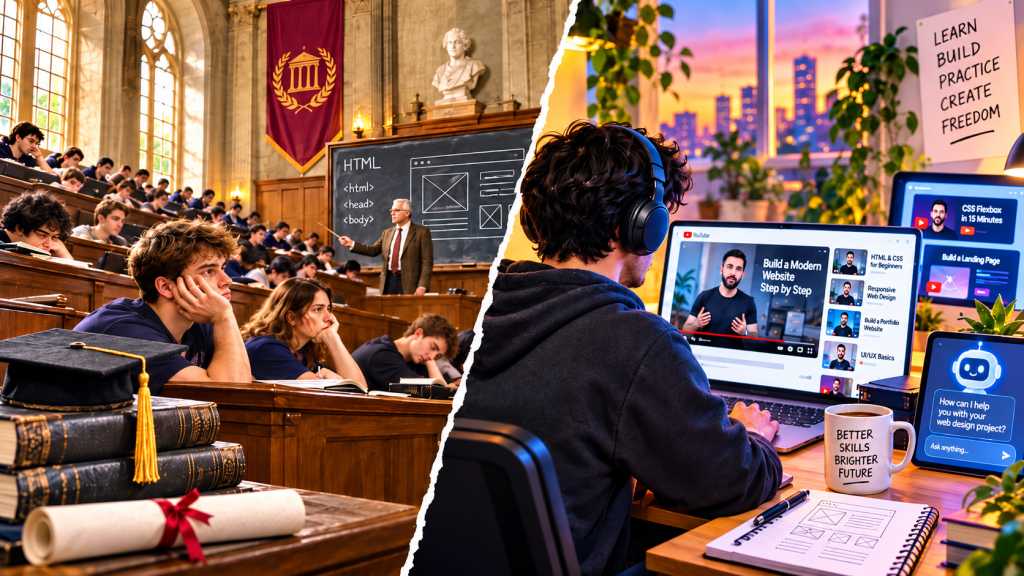
If you wanted to become a web designer 15 years ago, going to school made sense. You needed someone to teach you HTML, CSS, Photoshop, typography, UX and all the other mysterious things people on the internet seemed to know.
Today? Open YouTube.
Want to learn Figma? Thousands of tutorials. CSS Grid? Pick your favorite teacher. Accessibility? Entire courses are free. Don’t understand something? Ask ChatGPT or Claude to explain it, look at your code, find your mistakes and explain what went wrong.
Welcome to YouTube University. Tuition: basically nothing. And traditional universities have a problem.
YouTube University moves a lot faster
Universities move slowly. The web doesn’t.
A university course can take months or years to approve and update. When a new design tool or AI feature appears, someone has usually uploaded a tutorial about it before you’ve finished your morning coffee.
AI makes that gap even bigger. YouTube gives you the lesson; AI gives you something approaching a personal tutor. Ask another question, request a simpler explanation, paste in your broken code or build something and ask why it doesn’t work.
Students have already embraced this. The 2026 HEPI Student Generative AI Survey found that 95% of surveyed UK undergraduates were using AI in some way.
Universities aren’t really deciding whether students should learn with AI anymore. Students already are.
Then there’s the uncomfortable question: why pay?
Someone can spend years earning a degree while someone else spends those same years watching great designers and developers on YouTube, using AI as a tutor and actually building websites. Eventually, both may apply for the same job.
That’s particularly awkward in web design because employers can actually look at what you’ve made. The U.S. Bureau of Labor Statistics says web developers and digital designers may not need specific educational credentials if they can demonstrate their abilities through projects or experience.
A great portfolio can speak pretty loudly. So what exactly are students paying for?
YouTube University has a problem too
YouTube can teach you almost anything. It’s terrible at telling you what you should learn.
You watch a CSS tutorial, jump to an AI course, spend two hours watching someone redesign Spotify, discover Webflow and somehow end up watching 10 INSANE AI Tools You Won’t Believe Are FREE. We’ve all been there.
Nobody forces you to learn accessibility when you’d rather make cool animations. Nobody critiques your work. You can become surprisingly capable while still having enormous holes in your knowledge.
AI has the same weakness. It will happily help you build something terrible if you don’t know enough to realize it’s terrible.
And that’s exactly where universities could win.
Stop competing with YouTube
There’s little point charging students thousands of dollars to sit in a classroom learning information they could get from an excellent YouTube video tonight.
University should offer the things YouTube can’t: great mentors, serious critiques, collaboration and structure. Make students defend their design decisions, test websites on real people and learn accessibility, psychology, typography and UX — including all the boring-but-important stuff tutorials make easy to skip.
And let them use AI.
Instead of spending a week manually coding another basic website, have AI build the first version and spend the week figuring out everything wrong with it. Make it faster, more accessible, more original and actually useful.
Teach students to think, not just produce.
Universities are starting to get it
Some already are.
The University of Victoria has overhauled its computer-science curriculum, integrating AI throughout the program rather than treating it as an optional extra.
UBC is changing too, with new AI education that includes learning how to choose AI tools and critically evaluate what they produce.
That’s the right direction. Universities shouldn’t be afraid of YouTube University. They need to offer what it can’t.
The new competition
A web-design degree isn’t just competing with another degree anymore. It’s competing with YouTube + AI + a few years of actually building things. That’s a formidable alternative, and it’s getting better every month.
Universities still have something valuable to offer: structure, mentorship, critique, collaboration and the deeper knowledge people tend to skip when they’re teaching themselves.
But that’s what students should be paying for — not lectures full of information they can get online for free. The future probably isn’t university or YouTube University. The smartest schools will steal the best parts of both.
Because if a web-design school can’t offer something better than YouTube and an AI subscription, students have every right to wonder what they’re paying for.


This Website Found More Than 5 Million Forgotten iPhone Videos… and It’s Weirdly Emotional
An old iPhone feature accidentally created a massive archive of random lives, bad camera work, dogs, vacations, and very normal afternoons. Now you can watch it one clip at a…

The Death of Apps Has Already Begun
We spent the last 15 years installing apps for everything. An app for email. An app for music. An app for banking. An app for editing photos. An app for…
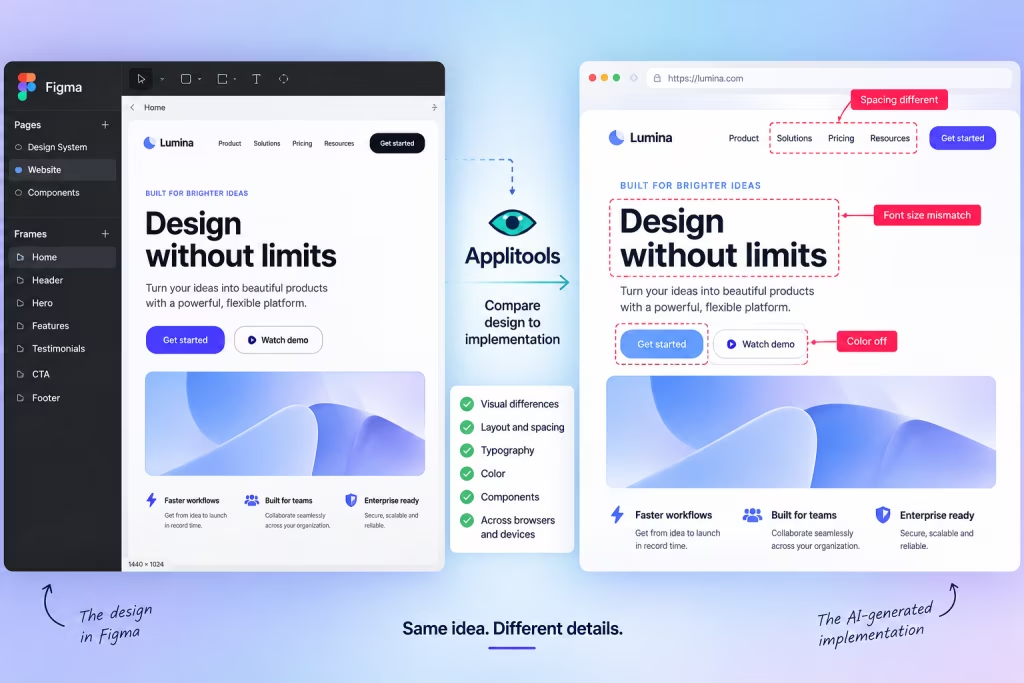
AI Can Build Your UI. Now Figma Can Tell It When It Screwed Up.
AI coding tools have become remarkably good at turning prompts into working interfaces. The awkward part comes afterward: does the thing they built actually look like the design? A new…
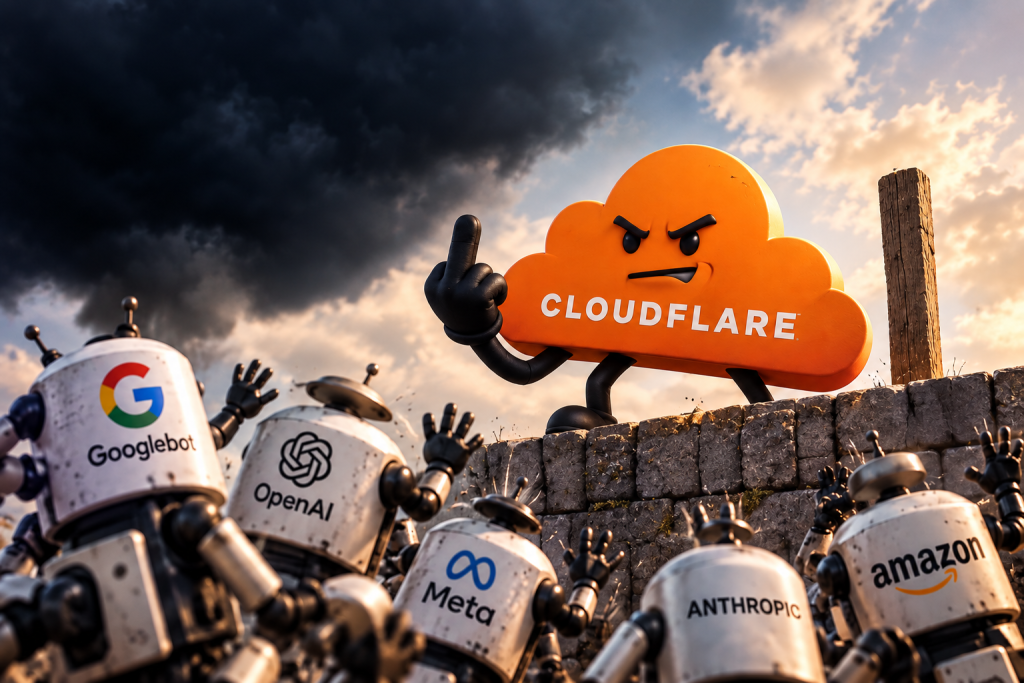
Cloudflare Just Gave AI Training Bots the Middle Finger
If you run a website, you probably want Google to crawl it. You probably don’t want every AI company on the planet helping itself to your content to train its models. Until…
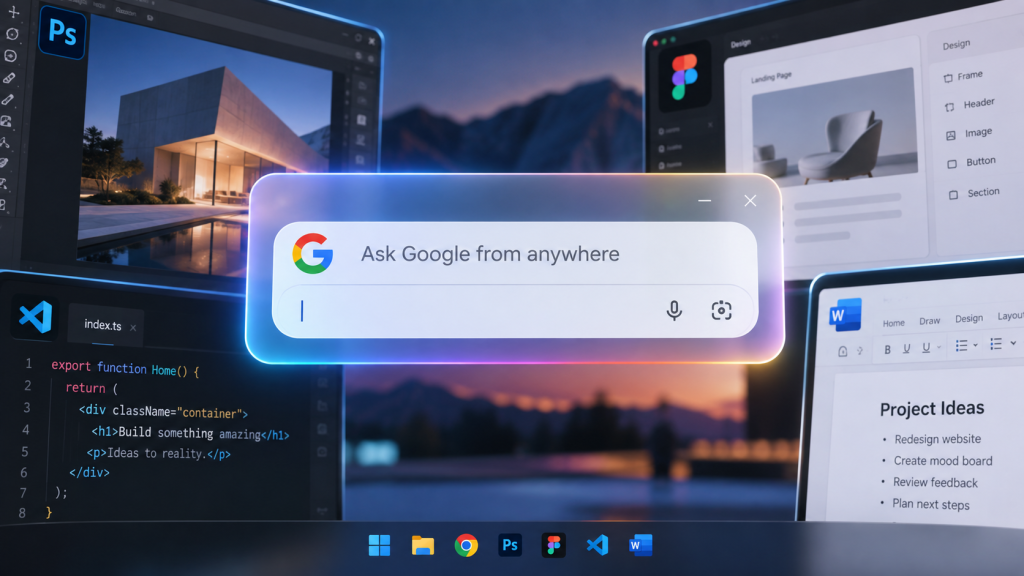
Google Is Testing a Search Bar That Works Outside Chrome
Google is quietly experimenting with a strange new version of Search: one that doesn’t seem particularly interested in staying inside Chrome. The experiment is known as Everywhere Omnibox, with “Loom” appearing in…
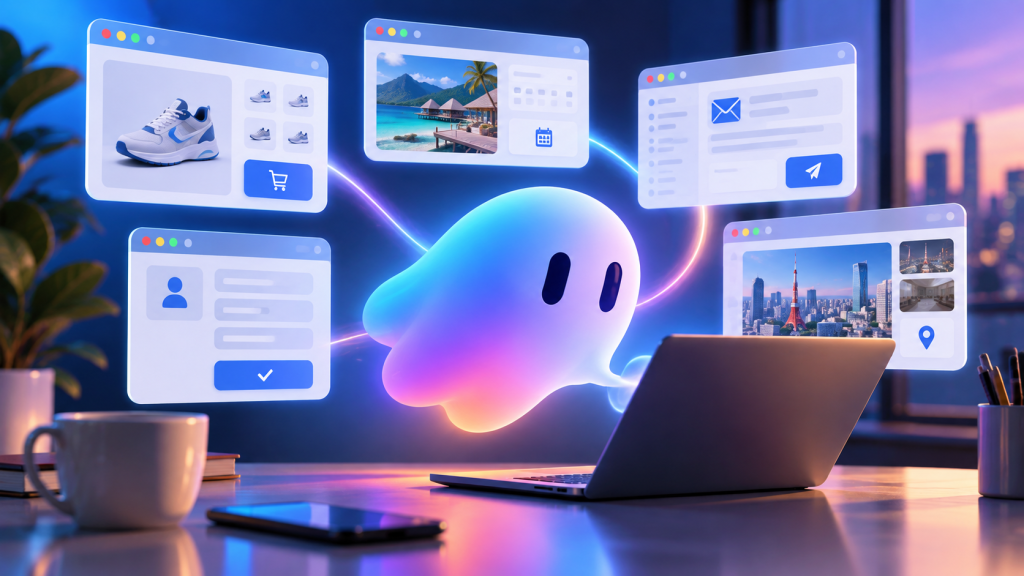
Meta Just Launched an AI That Uses Websites for You. That Could Be a Big Deal for Web Designers
Meta has launched Muse, a personal AI agent that doesn’t just tell you how to do something online. It can actually go and do it. There is an important distinction here:…