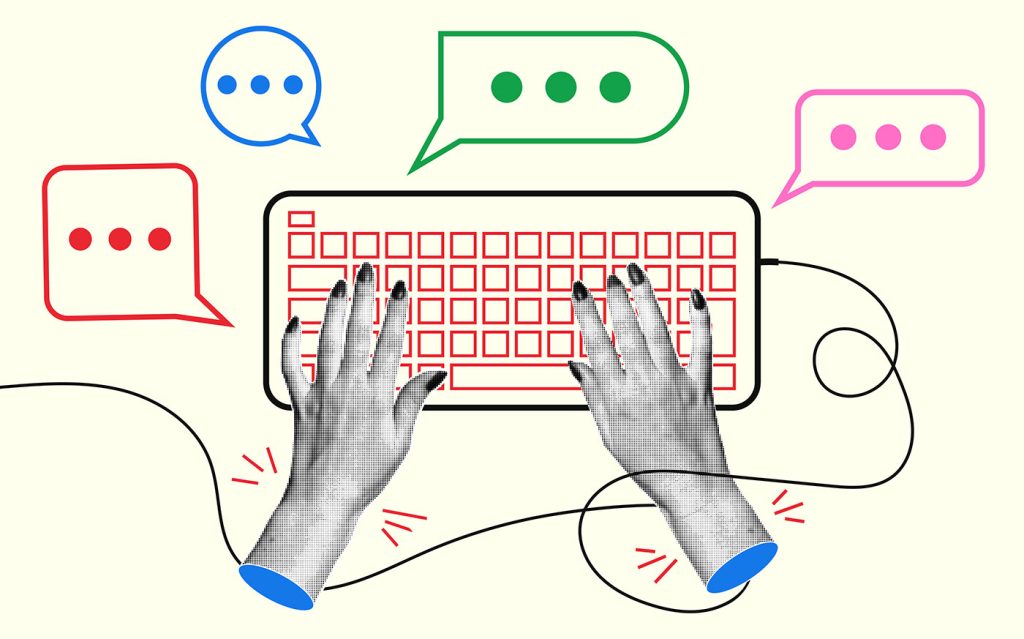
1
Let’s say it out loud: blogging, as we once knew it, is dead. That romantic era of handcrafted posts, quirky sidebars, and RSS feeds buzzing like bees in your browser? Yeah, that’s gone. It’s been paved over by algorithmic highways, influencer condos, and the gleaming towers of Substack and TikTok.
But here’s the thing—blogging didn’t vanish. It evolved, mutated, and occasionally sold its soul for SEO. The personal became the professional. The diary became a lead magnet. And the blog roll? That turned into a backlink strategy. Somewhere along the way, we stopped writing for ourselves—and started writing for Google.
So how the hell did we get here?
From Passion to Platform
Back in the early 2000s, blogging was like a digital wild west. Anyone with a keyboard and a Wi-Fi connection could publish their unfiltered thoughts into the ether. No gatekeepers. No algorithms. Just vibes.
You probably remember some of those OG bloggers—people going by names like “Boing Boing,” “Dooce,” or “Waiter Rant.” It was all personality, weird layouts, and blurry photos—and it worked. Because the web wasn’t optimized yet. It was alive. Messy. Human.
Then came the platforms.
WordPress made it easier to publish. Blogger and Tumblr made it fun. Suddenly every designer, coder, mom, startup, and family dog had a blog. And for a hot minute, the internet felt like a mosaic of beautifully unhinged creativity.
And then, of course, came the money.
SEO Ruined Everything (But Also Paid the Bills)
Google realized blogs were gold mines. Marketers realized they could turn blog posts into customer magnets. And just like that, content marketing was born.
Suddenly, blogging wasn’t about storytelling anymore. It was about search intent. Headlines became bait. Paragraphs became keyword clusters. Instead of writing from the gut, we were writing for crawlers.
You know the formula. Post length: 1,500+ words. Three internal links. Strategic subheaders. Bonus infographic. And let’s not forget the obligatory downloadable PDF at the end.
What once felt like art quickly became conversion copy. Helpful? Sometimes. Human? Rarely.
And let’s be honest—most of that SEO content is just digital mulch. It exists to fill space, hit metrics, and appease the gods of Google. But here’s the kicker: Google doesn’t even like it anymore.
Google’s AI Search Is Gutting the Game
With AI Overviews rolling out in search results, your lovingly optimized blog post? It’s being skimmed, scraped, and summarized into a bite-sized snippet before the user ever clicks through.
Imagine spending hours writing the best guide on a topic, only to have Google turn it into a chatbot answer that no one reads past.
If your blog exists solely to rank, it’s living on borrowed time.
Medium Promised Paradise—Delivered a Landlord
Medium was supposed to save us. Clean design. Beautiful typography. No clutter. No Comic Sans. Just a place for real writing to shine.
And for a little while, it did.
You could post a piece, go semi-viral, and bask in the sweet glow of claps. People actually commented. Medium even paid some writers. It felt like blogging had a second act.
But then the walls crept in.
First came the paywalls. Then the “members-only” nudges. Then came the weird algorithmic favoritism. Suddenly, it wasn’t about great writing—it was about writing that fit the Medium mold: buzzy, clean, safe, and oh-so-shareable.
Even worse? It became a graveyard for corporate blogs pretending to be thought leaders.
And the creators? They realized they were just tenants. One day your post is viral; the next, it’s hidden behind a paywall you didn’t ask for. Monetization flipped. Distribution dried up. Trust evaporated.
Medium didn’t kill blogging—but it taught us a valuable lesson: don’t build your house on rented land.
Social Media: The Good, the Bad, and the Performative
Microblogging was supposed to be the bridge. Quick thoughts. Daily updates. Bite-sized brilliance.
Instead, we got Twitter (sorry, X), where everything is a fight. Tumblr got sanitized into oblivion. Instagram turned into a highlight reel. TikTok became the loudest, fastest blog substitute imaginable.
Threads tried. LinkedIn performed CPR on personal narrative. But most of what’s out there? It’s blogs in disguise—just with filters, clout-chasing, and a whole lot of humblebragging.
The Substack Vibe Shift
Then came Substack. Somehow, it brought back the blog energy. People writing long, personal, sometimes polarizing posts—and sending them directly to your inbox.
No algorithm games. No comment wars. Just writing and reading.
And guess what? People are paying for it. Yes, actual subscriptions. Turns out, folks will hand over cash for thoughtful, honest words from humans they trust.
Ghost is also part of this renaissance. It’s like the indie band of blogging platforms. Clean, open-source, no nonsense. It gives you full ownership of your space without the clunky backend of WordPress or the shackles of Medium.
If Substack is the cafe reading, Ghost is the zine you print yourself.
When the Bots Blog, Humans Get Louder
Let’s not ignore the elephant made of silicon.
AI is writing a scary amount of content now. Tools like ChatGPT are cranking out articles faster than any caffeine-fueled intern could dream of. Most of it? Technically correct, emotionally vacant.
You can spot AI writing a mile away. It’s clean. It’s neutral. It’s deeply, deeply boring.
That’s why human blogging actually matters more now. Because what AI can’t do is be weird. Or brave. Or wrong in an interesting way. It can’t overshare or make terrible metaphors that somehow land. It can’t swear mid-sentence because it’s fired up.
It can’t feel.
So What Even Is Blogging Anymore?
It’s a mess, honestly. But a beautiful one.
Sometimes it’s a dusty blogspot from 2008. Sometimes it’s a TikTok rant. Sometimes it’s a 3,000-word newsletter about design systems. Other times it’s a Substack confession or a one-sentence post on Threads.
Blogging is no longer a single thing. It’s an ecosystem. A multiverse. A vibe.
And if you still care about putting words into the world—on your terms—then yeah, blogging isn’t dead. It’s just gotten weirder, smarter, messier, and more essential.
So forget the templates. Ditch the keyword stuffing.
Write like you mean it.
Write like you’re yelling into the void hoping someone yells back.
Write like blogging is alive—because when you do, it is.

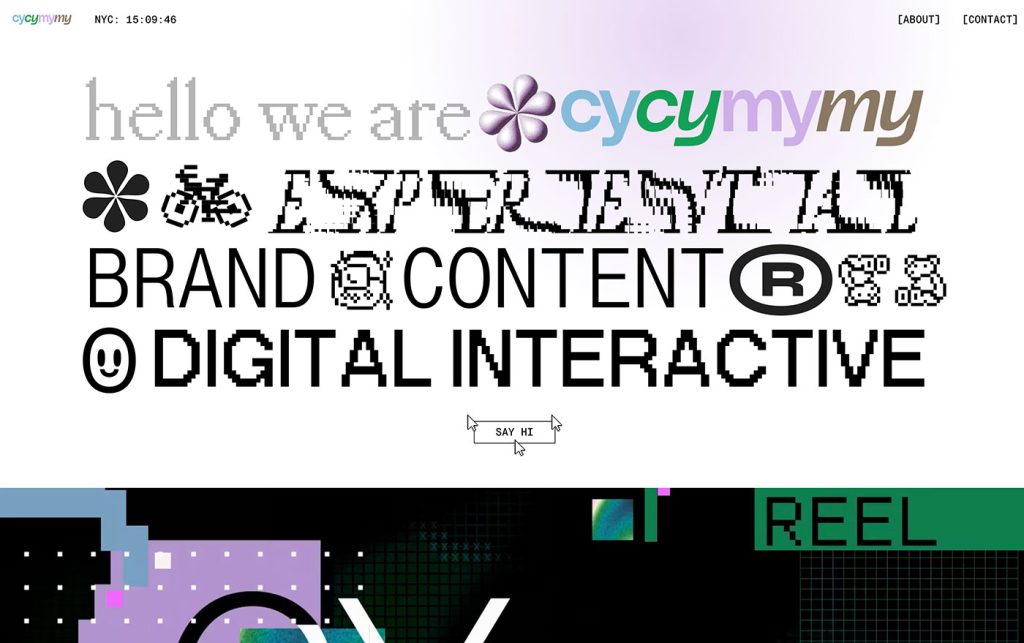
Not Useless: Why Experimental Websites Matter More Than You Think
Every once in a while, a site comes along that makes you pause, grin, and think: Wait—websites can do that? Maybe it’s a portfolio where the cursor morphs into a liquid blob,…
Pixel Nostalgia: Why We Miss the 90s Web (Even If It Was Ugly)
It’s easy to laugh at the 90s web now — the blinking GIFs, Comic Sans banners, table layouts held together with duct tape and hope. But beneath all that chaos…
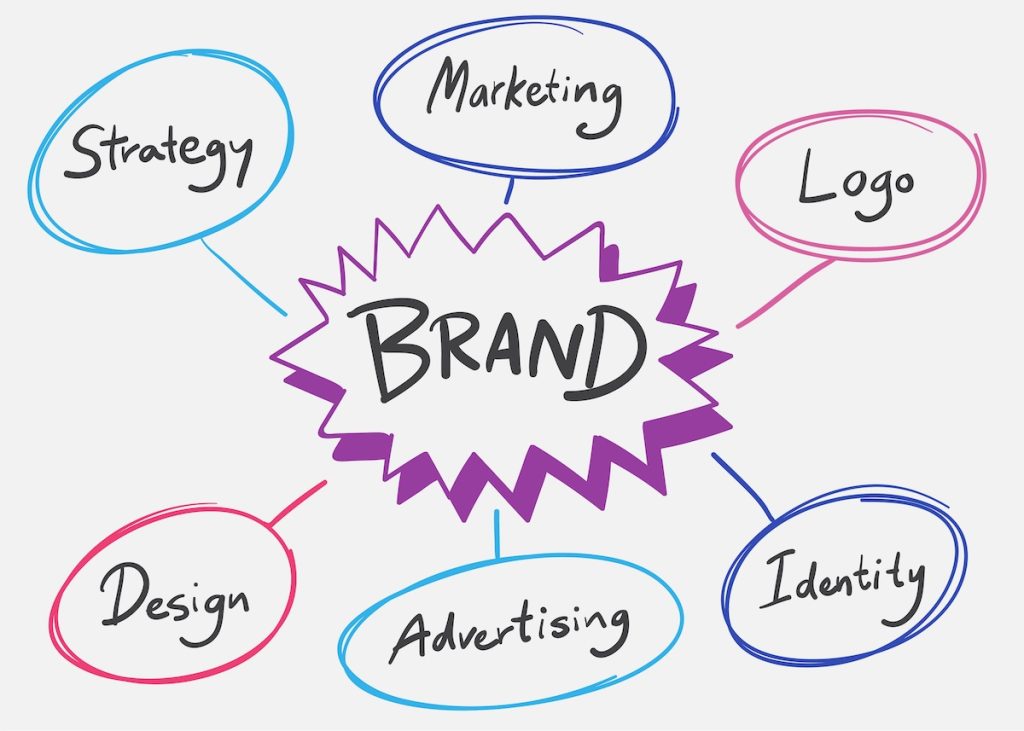
Stop Asking ‘Is This on Brand?’ — It’s Killing Your Creativity
For a phrase that sounds harmless, “Is this on brand?” might be the quietest creativity killer in modern design. It’s the meeting-room equivalent of a wet blanket — a way to smother…

Why Designers Are the New Bureaucrats
There was a time when design meant making something—actually making something. You’d open Photoshop (or, if you’re older, Illustrator 9), throw ideas on the canvas, and wrestle with composition, hierarchy, rhythm,…
Your Brand Just Evolved: The Rise of AI-Generated Identities
For most of design history, a brand has been a fixed thing — a logo, a color palette, a tagline, a style guide locked in a PDF somewhere. The goal…

7 Real Predictions for Web Design in 2026
Every December, design Twitter fills with lists of “hot trends” that sound like buzzwords generated by an algorithm: “AI-native ecosystems,” “metaverse-ready experiences,” “contextual design synergies.” But the truth is, 2026…