
1
There was a time when design meant making something—actually making something. You’d open Photoshop (or, if you’re older, Illustrator 9), throw ideas on the canvas, and wrestle with composition, hierarchy, rhythm, and color until something clicked. You’d test it, tweak it, and learn from it. There was no “design ops,” no “stakeholder sync,” no “Figma components alignment committee.” There was just… design.
Now? Designers spend more time managing bureaucracy than creating beauty. The modern designer’s day looks less like a creative studio and more like a middle-management meeting marathon.
The Rise of the Meta-Designer
Somewhere around 2016, design went corporate. Suddenly, every team needed systems, processes, templates, and frameworks. The language shifted: we stopped talking about typography and started talking about tokens. We replaced critique with asynchronous feedback. We traded intuition for alignment.
The result is a strange inversion: the best designers aren’t the ones who make things anymore—they’re the ones who make the things that make things. Style guides, component libraries, design tokens, accessibility matrices, OKR dashboards.
It’s a new caste of professionals: the meta-designers. They don’t design; they design how design happens. They create tools to create tools, frameworks to define frameworks, workflows to monitor workflows.
There’s a certain elegance to it, sure. But there’s also a tragic irony: in trying to scale creativity, we’ve sterilized it.
Creativity by Committee
Nothing kills originality faster than consensus. Yet consensus has become the default design methodology. Every concept must now pass through 10 layers of “alignment”: the design lead, the PM, the brand manager, the accessibility reviewer, the localization team, and three Slack threads worth of “thoughtful feedback.”
This culture of preemptive appeasement breeds safe design—sterile, compliant, and unremarkable. The result? Every app, dashboard, and landing page looks the same.
The most damning part is that no one wants to admit this. So we create myths to justify mediocrity:
- “It’s minimalist.” (Translation: we didn’t have time for exploration.)
- “We’re following the system.” (Translation: don’t blame me, blame the tokens.)
- “We prioritized consistency.” (Translation: we killed all the interesting ideas.)
We used to design interfaces. Now we design excuses.
Toolchains as the New Creative Output
Open any designer’s resume in 2025 and you’ll see the same brag list: Figma, FigJam, Notion, Linear, Miro, Framer, Webflow, GitHub, Design Tokens, Storybook, Auto Layout Wizardry.
But ask them to draw something from scratch—an icon, a layout, even a letterform—and many freeze. Because tool proficiency has replaced creative literacy.
It’s not that these tools are bad. They’re incredible. The problem is what they represent: a professional culture where mastery of the interface matters more than mastery of imagination. We’ve turned creativity into a configuration problem. Designers have become technicians of abstraction.
We optimize the design process to death—and in doing so, we forget that the process is supposed to serve the work, not the other way around.
The Performance of Design
Modern design teams are built around optics: process, documentation, meetings, and frameworks designed to demonstrate that design is happening—even when it isn’t.
Designers spend entire quarters refining documentation for features that never ship. We hold “design jams” that generate 500 sticky notes but zero insights. We obsess over “design maturity models” as if bureaucracy were proof of sophistication.
It’s the performance of creativity, not the practice of it.
Real creativity is messy, fast, and uncomfortable. It doesn’t survive in an environment that needs everything tracked, measured, and approved. It’s inherently inefficient—and modern organizations have no tolerance for inefficiency, even when inefficiency is the breeding ground of originality.
Why It’s Getting Worse
The more design integrates with corporate structures, the more it inherits corporate logic. The KPIs of management—efficiency, consistency, predictability—are fundamentally opposed to the KPIs of creativity—experimentation, failure, and surprise.
So we invent new vocabulary to disguise the contradiction:
- “Design debt” to justify redoing things that weren’t creative in the first place.
- “Design QA” to bureaucratize taste.
- “Ops alignment” to ensure no one steps out of line.
This is how we’ve ended up with designers who spend their days building “documentation ecosystems” and “workflow maps.” Designers who attend more meetings than engineers. Designers whose creativity is rationed out in Jira tickets.
We are no longer artists or problem-solvers. We are process administrators.
The Fear of Unstructured Time
Ask any designer what they crave most, and they’ll probably say “more time to explore.” But give them that time, and most will panic. We’ve become so dependent on structure that freedom feels paralyzing.
Unstructured exploration—the very thing that once defined design—now feels inefficient, unjustifiable, even unprofessional. We’ve trained ourselves to equate motion with progress, frameworks with value, documentation with output.
It’s a culture built on fear: fear of being seen as idle, fear of failure, fear of standing out.
So we build yet another system.
The Creative Rebellion
The only way out is rebellion—not against tools or teams, but against complacency disguised as structure.
The best designers I know are quietly revolting. They sketch again. They prototype fast and dirty. They ignore the design system when it suffocates an idea. They trust their instincts. They make weird stuff.
These are the designers who remind us that creativity is not a committee decision—it’s an act of courage.
We don’t need fewer tools or frameworks; we need permission to disobey them.
Maybe It’s Time to Be “Unprofessional” Again
The irony of modern design is that the more professional we become, the less imaginative we get. “Professionalism” has come to mean predictability, conformity, and comfort—all things that creativity despises.
The industry doesn’t need more frameworks. It needs more friction. More instinct. More mess.
Maybe it’s time to stop “aligning” and start experimenting again.
Maybe it’s time to stop performing design and start designing again.
Because if we don’t, the next generation of designers won’t be creatives at all.
They’ll just be bureaucrats with good taste.

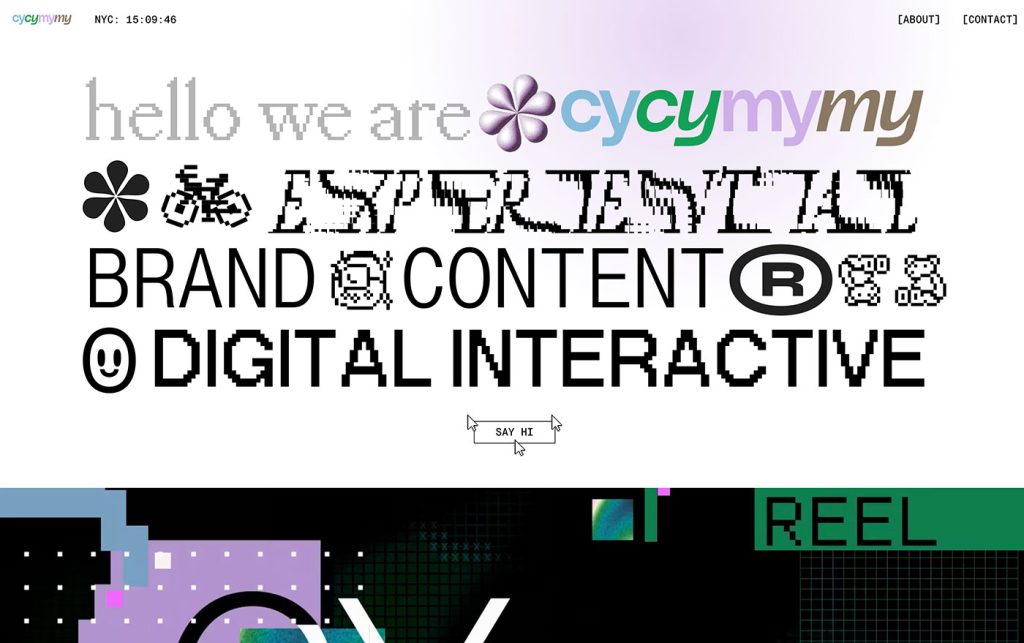
Not Useless: Why Experimental Websites Matter More Than You Think
Every once in a while, a site comes along that makes you pause, grin, and think: Wait—websites can do that? Maybe it’s a portfolio where the cursor morphs into a liquid blob,…
How Aspect Ratios Define Perception, Rhythm, and Flow
Designers talk about color, typography, and hierarchy constantly. But proportion—the silent structure beneath everything—rarely gets the same respect. Every card, photo, video, and module in an interface lives within a…
Token Fatigue: When Abstraction Eats Itself
In theory, design tokens were supposed to save us. They were the missing link between design and code, a neat way to abstract decisions—colors, spacing, typography, motion—into a unified language…
AI as Art Director: Can Machines Develop Taste?
Let’s get this out of the way: AI doesn’t have taste. It has statistics. It knows what’s popular, what’s trending, what’s most likely to earn a double-tap — but it…
Pixel Nostalgia: Why We Miss the 90s Web (Even If It Was Ugly)
It’s easy to laugh at the 90s web now — the blinking GIFs, Comic Sans banners, table layouts held together with duct tape and hope. But beneath all that chaos…
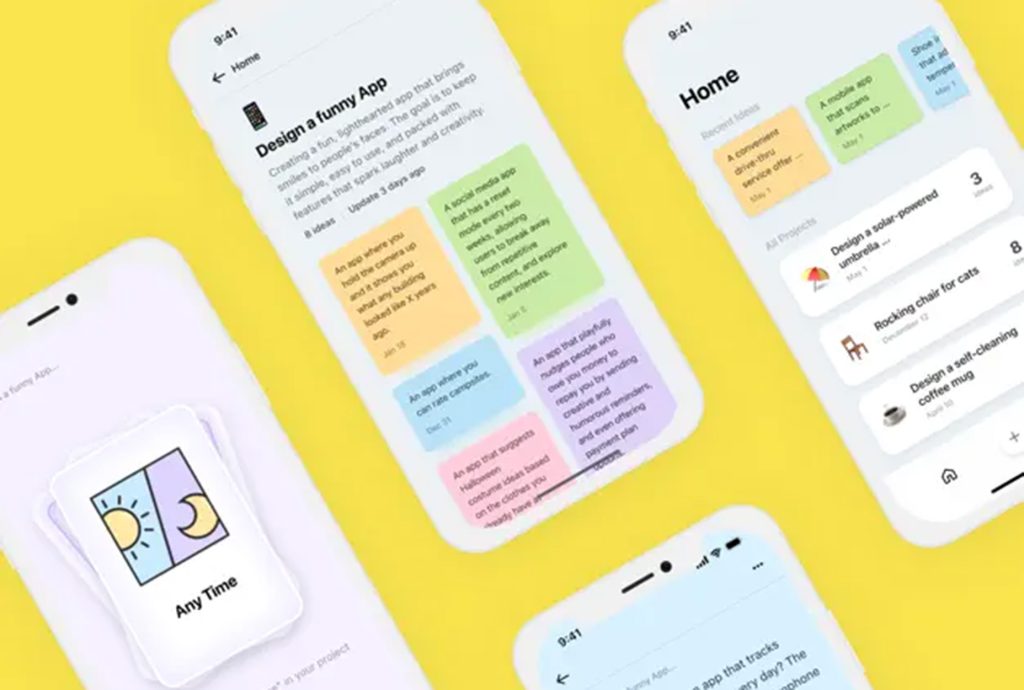
Exciting New Tools for Designers, February 2026
There are so many new – and good – tools for designers out there right now. From tiny bits of artificial intelligence to icons that delight, there’s something to help…