1
Once upon a time, photographers dreamed of landing the holy grail: passive income from stock photography.
Upload a few well-lit shots of businessmen shaking hands, a woman eating a salad alone, or a group of improbably attractive people laughing around a laptop, and the dollars trickled in forever.
That dream is dead. Not dying—dead. AI killed it, and it didn’t even send flowers.
The Stock Photo Gold Rush
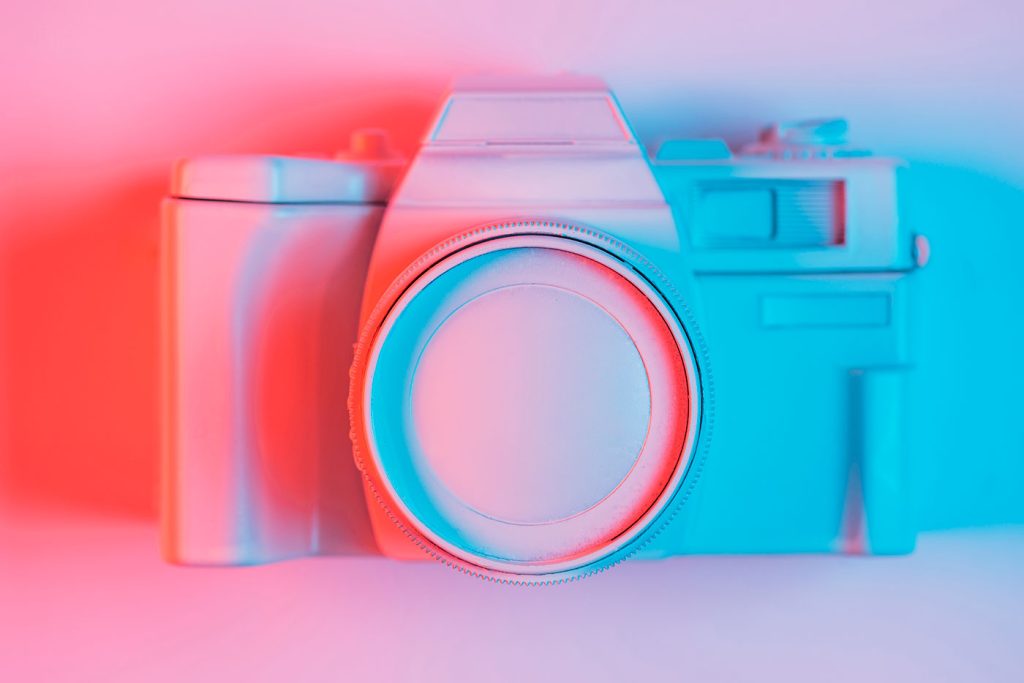
Stock photography was supposed to be the safety net of the creative industry. Designers, bloggers, marketers—all needed endless generic images. If you could master keywords and pump out clichés, you could live off the dividends. For a while, Shutterstock and Getty built empires on this economy of sameness.
But let’s be honest: most stock photos were terrible. They looked fake, staged, and soulless. That’s what made them work—they were empty vessels you could pour any message into. And yet, people bought them.
Then AI came along and said: why pay $5 for a woman laughing at salad when I can generate 500 versions of her, with different salads, hairstyles, and lighting, instantly?
Enter the Infinite Salad Lady
The first generation of AI-generated stock images were uncanny, teeth-melting monstrosities. Hands with seven fingers, office workers with expressions that screamed “hostage situation,” and babies that looked like they crawled out of a fever dream. Designers laughed. Photographers scoffed.
Fast-forward to 2025, and MidJourney, Stable Diffusion, and DALL·E don’t just make images—they make infinite, customizable stock libraries in seconds. Need “diverse group of professionals in a coworking space, Scandinavian minimalist aesthetic, shot on 35mm film”? Done. Need “realistic aerial photo of Vancouver skyline during cherry blossom season, golden hour lighting”? Done. You don’t even need to type; you can just talk to the AI and refine on the fly.
The stock image industry wasn’t disrupted—it was obliterated.
The Death Spiral of Stock Agencies
Stock photography companies are scrambling to rebrand as “AI content marketplaces.” Shutterstock partnered with OpenAI. Adobe built Firefly right into Creative Cloud. Getty tried lawsuits, then pivoted to licensing AI datasets.
But the damage was already done: once clients realized they could create bespoke images for pennies instead of buying licenses, the stock well dried up.
For photographers who built entire careers on uploading 10,000 photos of “businessman pointing at pie chart,” this was catastrophic. The passive income that once funded retirements vanished overnight.
Shutterstock contributors went from earning hundreds a month to single digits. Many now openly say AI “stole their livelihood”—but let’s be brutally honest: the demand wasn’t for photography anymore. It was for imagery. And AI delivers imagery faster, cheaper, and at scale.
The Ethics Nobody Wants to Talk About
Of course, there’s an elephant in the room: AI trained on stock libraries without permission. Those salad ladies, handshake bros, and staged “diverse teams” became the training fodder for the very systems that replaced them.
AI didn’t just compete with photographers—it cannibalized them.
And yet, here’s the uncomfortable truth: clients don’t care. Brands don’t care. Designers don’t care. Everyone wants cheap, fast, and good-enough. If ethics were a real market force, sweatshops and fast fashion wouldn’t exist either.
What Designers Secretly Love
Here’s where it gets even more controversial: designers are thrilled. Let’s admit it. Nobody enjoyed scrolling through 40 pages of Shutterstock search results for “woman with laptop, looking stressed.”
Now we just prompt an AI for the exact vibe we want. Need it hyperrealistic? Done. Need it in Memphis design style with pastel gradients? Done. Need the subject’s skin tone, body shape, and age range adjusted for inclusivity? Done.
We can control mood, setting, and aesthetic with the precision of a film director—without waiting for stock photographers to catch up with cultural trends.
AI made stock fun.
The New Gatekeepers
Ironically, the death of stock photography didn’t kill gatekeeping—it just shifted it. Now the gatekeepers are prompt engineers, model trainers, and platform owners. Instead of chasing keyword SEO on Shutterstock, creatives are chasing “prompt recipes” that can spit out brand-ready images with minimal cleanup.
The monopoly has shifted too. Instead of paying a stock agency $10 for an image, you’re paying OpenAI, Adobe, or Stability a monthly subscription to access their AI models.
The cycle continues: middlemen win, creators lose.
So, Is Photography Dead?
Not quite. AI killed the stock part, not the art. Real photographers still thrive in niches where authenticity matters—photojournalism, weddings, high-end editorial. Nobody’s hiring AI to shoot their grandma’s 80th birthday. Yet.
But for the bread-and-butter imagery that powered blogs, ads, and marketing campaigns, photography is now a luxury option. A flex. Using “real” stock photos in 2025 is like using a film camera—it’s not practical, it’s a statement.
The Controversial Take
Here’s the spicy truth: stock photography deserved to die. It was built on formula, repetition, and blandness. AI is just better at making bland things look useful.
The industry didn’t collapse because AI was unfair—it collapsed because it was ripe for automation.
The creatives who survive this shift won’t be those clinging to the past. They’ll be the ones leaning into AI as a tool, not fighting it as a rival. The age of the infinite salad lady has begun, and whether we like it or not, she’s here to stay.

AI as Art Director: Can Machines Develop Taste?
Let’s get this out of the way: AI doesn’t have taste. It has statistics. It knows what’s popular, what’s trending, what’s most likely to earn a double-tap — but it…
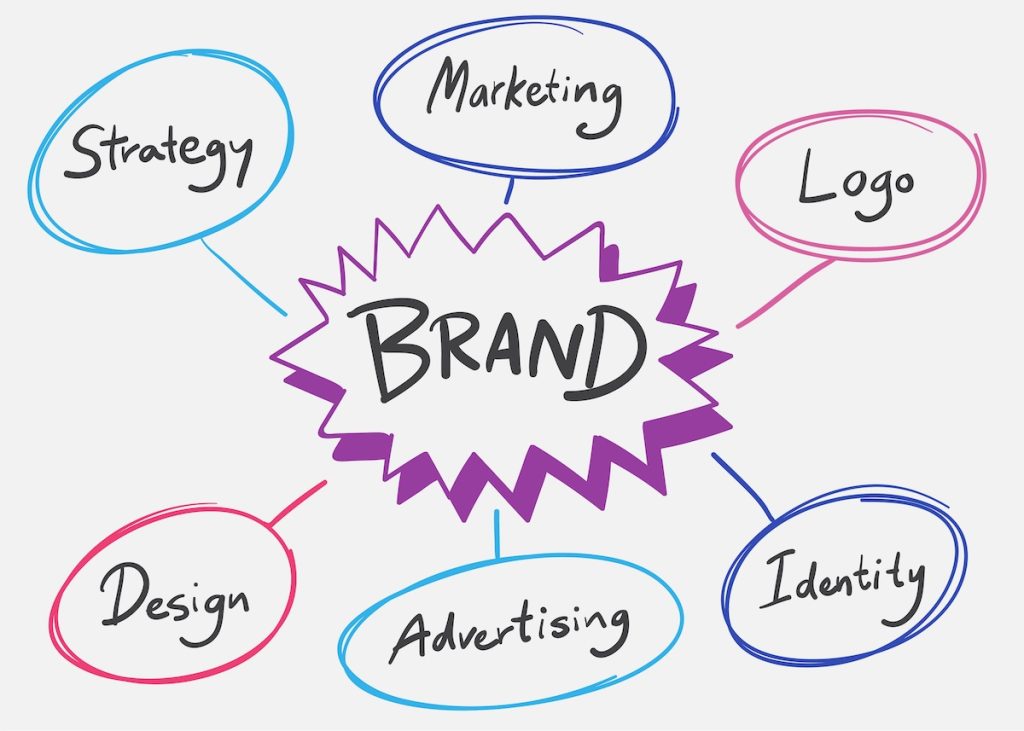
Stop Asking ‘Is This on Brand?’ — It’s Killing Your Creativity
For a phrase that sounds harmless, “Is this on brand?” might be the quietest creativity killer in modern design. It’s the meeting-room equivalent of a wet blanket — a way to smother…

Why Designers Are the New Bureaucrats
There was a time when design meant making something—actually making something. You’d open Photoshop (or, if you’re older, Illustrator 9), throw ideas on the canvas, and wrestle with composition, hierarchy, rhythm,…
Your Brand Just Evolved: The Rise of AI-Generated Identities
For most of design history, a brand has been a fixed thing — a logo, a color palette, a tagline, a style guide locked in a PDF somewhere. The goal…
7 Real Predictions for Web Design in 2026
Every December, design Twitter fills with lists of “hot trends” that sound like buzzwords generated by an algorithm: “AI-native ecosystems,” “metaverse-ready experiences,” “contextual design synergies.” But the truth is, 2026…
Drowning in Options? The Future Belongs to Curators, Not Creators
There’s never been a better time to be a creator — or a worse time to make a decision. Everywhere you look, there’s an explosion of options: apps for managing…