1
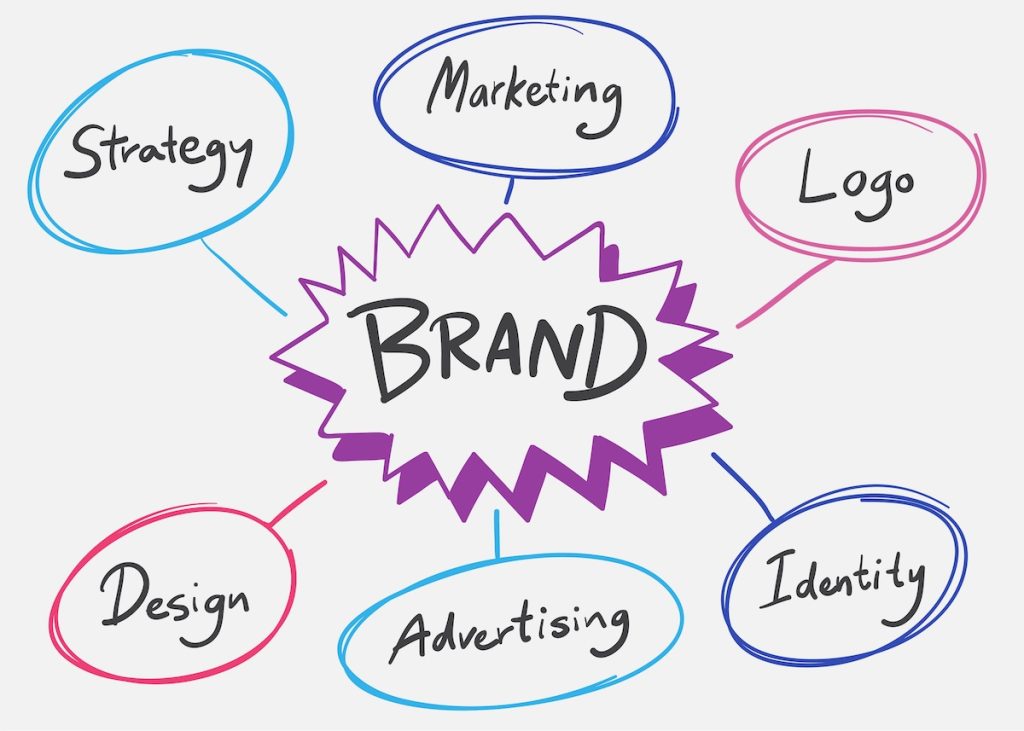
For a phrase that sounds harmless, “Is this on brand?” might be the quietest creativity killer in modern design. It’s the meeting-room equivalent of a wet blanket — a way to smother experimentation, neuter risk, and guarantee that everything looks, feels, and sounds exactly like everything else.
We’ve built a design culture obsessed with consistency — and lost something vital along the way. Authenticity. Surprise. Play.
When everything is on brand, nothing feels alive.
The Myth of Brand Consistency
The modern brand system began as a way to manage chaos. In the early days of corporate design — think Paul Rand’s IBM, or Massimo Vignelli’s New York City Subway — consistency was a revelation. A single visual language could unite thousands of touchpoints, from signage to packaging.
But consistency, once revolutionary, has calcified into dogma. What started as a tool to unify has become a tool to control.
Today’s brand manuals aren’t just guides — they’re legal codes. Designers spend more time policing brand guidelines than breaking them. The result? A generation of work that’s clean, coherent, and utterly predictable.
The Rise of “Brand Police” Culture
There’s a particular type of meeting that every designer knows too well. Someone — often from marketing — squints at your screen and says, “It’s good, but… is it on brand?”
The phrase is usually delivered with concern, like they’ve caught you committing a moral offense. What they mean, of course, is this doesn’t look like the last thing we did.
But that’s exactly the problem.
The more a brand obsesses over sameness, the less oxygen it leaves for growth. Real brands evolve. They develop edges, contradictions, and scars. But inside many modern companies, any sign of evolution is treated as inconsistency.
We’ve mistaken repetition for identity.
When Brands Become Bureaucracies
Design systems and brand guidelines were supposed to make creativity easier — a shared toolkit to accelerate decision-making. But at scale, they’ve become bureaucracies of taste.
You no longer need permission to design something — you need permission to deviate.
Instead of asking, Does this idea feel right for us? teams ask, Does this fit the template? The work shifts from exploration to compliance.
In that environment, the most successful designers aren’t the most imaginative — they’re the best rule followers.
And when rules replace taste, creativity dies by a thousand brand reviews.
The Aesthetic of Safety
You can spot the aesthetic of safety everywhere:
- Websites that look like clones of their competitors.
- Startups using the same sans-serif, pastel palette, and rounded buttons.
- Brands that preach individuality while hiring agencies to mimic everyone else.
“Safe” design has become the default. Nobody gets fired for being consistent. But nobody gets noticed for it either.
This risk aversion isn’t limited to visuals. Tone, copy, even social behavior — all filtered through the question, “Would Legal approve this?” or “Would Marketing sign off?”
The irony is that while everyone’s chasing safety, the brands that actually win attention are the ones brave enough to sound slightly off.
Look at Wendy’s on Twitter, or Liquid Death’s branding. They don’t care if every post perfectly aligns with a brand manual — they care if it’s alive.
Authenticity Isn’t a Design System
We often confuse branding with authenticity. But being “on brand” is not the same as being authentic.
Authenticity is about honesty, tone, and human messiness. A perfect color palette or meticulously kerned logo can’t replicate that.
The most beloved brands — Apple, Nike, Patagonia — don’t succeed because they never break their systems. They succeed because they evolve intentionally. Their visual and verbal languages bend with culture. They have a point of view, not a PDF.
When your brand feels too polished, people sense it. It reads as curated, cautious, and corporate. Humans don’t connect with that — they connect with imperfection, humor, and the occasional weird choice.
Branding as Comfort Blanket
Here’s the uncomfortable truth: “on brand” often means I’m afraid to try something new.
It’s a way to avoid judgment, to say, “Don’t blame me — I followed the rules.” In big organizations, that’s a survival strategy.
But design born from fear of blame will never create delight. It produces sameness disguised as professionalism.
We use branding as a comfort blanket because chaos is scary. But creativity lives in chaos. It’s in the messy experiments that don’t fit the grid.
If your team’s biggest design concern is “staying on brand,” you’re not leading a creative department — you’re managing a franchise.
How “On Brand” Stifles Experimentation
Every designer has a story of a good idea dying in the name of “brand consistency.” Maybe it was an unconventional layout, a new voice for copy, or a visual metaphor that broke from the established style.
Someone killed it — not because it was bad, but because it was different.
And the more this happens, the less people bother experimenting. Over time, entire teams become domesticated. They learn to self-censor before anyone even asks the question.
That’s how you end up with marketing campaigns that feel like they were all made by the same AI.
Branding isn’t supposed to be a straitjacket. It’s supposed to be a compass — something that gives direction, not dictates every step.
When the compass becomes the destination, you’re just walking in circles.
When Consistency Becomes Identity
Many companies mistake visual consistency for cultural identity. They think a unified look equals a unified brand.
But true identity isn’t about sameness — it’s about coherence. You can be coherent and unpredictable. Think of a jazz musician improvising: the tone remains recognizable, but each performance is alive.
The best brands work like that. They riff within their DNA.
Spotify’s design language has evolved from neon gradients to more editorial compositions. Nike can move from minimalism to maximalism without losing itself. Even Apple — the high priest of consistency — continually reinvents its tone, from minimalist product launches to deeply emotional campaigns.
They’re not chained to their guidelines; they use them as instruments.
The Cost of Over-Branding
The obsession with staying on brand doesn’t just kill creativity — it wastes opportunity.
Every “off-brand” idea rejected is a missed chance to learn something new about your audience.
Experimentation is how brands grow empathy. When you try something different, you invite real feedback. You learn what resonates beyond your own assumptions.
But in over-branded cultures, that loop is broken. Everything is pre-approved, pre-tested, and pre-sanitized. Creativity becomes a performance, not a process.
The result: polished mediocrity.
From Brands to Conversations
We’re entering a world where branding is less about identity and more about interaction.
People don’t just see your logo — they chat with your chatbot, follow your TikTok, read your support emails. The modern brand isn’t a fixed image; it’s an ongoing conversation.
And conversations are messy. They evolve. They contradict themselves.
If your brand voice can’t handle that — if it’s so rigid it breaks whenever culture shifts — it’s not a brand. It’s a costume.
Modern audiences don’t want perfection. They want presence.
Designing for Change
So what’s the alternative?
Stop worshipping consistency and start designing for resonance.
Ask:
- Does this feel true to who we are right now?
- Does it connect emotionally, even if it breaks the rules?
- Does it move the story forward?
A healthy brand system isn’t a prison — it’s a playground. You need enough structure to stay recognizable, and enough freedom to stay human.
Give your team permission to experiment. Treat “off brand” as an opportunity, not an error.
If you want innovation, you have to risk inconsistency.
When to Break Your Brand
Breaking your brand doesn’t mean throwing away your identity — it means keeping it alive.
Here’s when to do it deliberately:
- When your audience changes. Culture evolves faster than brand manuals.
- When the medium changes. A TikTok isn’t a billboard. Stop trying to force them to look alike.
- When your message demands emotion. Sometimes the right tone breaks the system — and that’s okay.
- When repetition breeds invisibility. If your campaigns are blending into the noise, you’ve gone too “on brand.”
Breaking brand rules is how new aesthetics, voices, and ideas emerge. It’s how design moves forward.
Creativity Needs Permission to Misbehave
Every memorable brand moment started as something that probably wasn’t “on brand.”
The “Share a Coke” campaign broke Coca-Cola’s typography rules. Old Spice reinvented its audience with absurdist humor. Airbnb moved from photography to abstract illustration.
None of those ideas came from asking “Is this on brand?” — they came from asking “Would anyone feel something from this?”
That’s the better question.
Because feeling — not consistency — is what builds loyalty.
Stop Policing, Start Provoking
Designers don’t need more brand compliance checklists; they need creative trust.
If a designer’s instincts are good, they’ll keep the soul of the brand intact even when they stretch it. The role of a creative director isn’t to enforce sameness — it’s to guard meaning.
Ask:
- Does this make us more interesting?
- Does this sound human?
- Does this move us somewhere new?
If the answer’s yes, who cares if it’s perfectly on brand?
The Paradox of Modern Branding
The more brands try to sound human, the less human they become.
We talk about authenticity, but filter it through committees. We crave originality, but benchmark every idea against competitors. We celebrate creativity, but suffocate it with decks, tokens, and toolkits.
Being “on brand” once meant alignment. Now it means obedience.
But design isn’t about obedience — it’s about expression.
The Way Forward
The next generation of designers doesn’t need more guidelines — they need more permission.
Permission to test, to play, to break, to rebuild. Permission to be slightly off.
Brands that embrace that energy will feel vibrant, real, and culturally alive. The rest will fade into the sameness they so carefully protected.
So the next time someone asks, “Is this on brand?” — try answering, “Maybe not yet.”
That’s where real creativity begins.

Not Useless: Why Experimental Websites Matter More Than You Think
Every once in a while, a site comes along that makes you pause, grin, and think: Wait—websites can do that? Maybe it’s a portfolio where the cursor morphs into a liquid blob,…
How Aspect Ratios Define Perception, Rhythm, and Flow
Designers talk about color, typography, and hierarchy constantly. But proportion—the silent structure beneath everything—rarely gets the same respect. Every card, photo, video, and module in an interface lives within a…
Token Fatigue: When Abstraction Eats Itself
In theory, design tokens were supposed to save us. They were the missing link between design and code, a neat way to abstract decisions—colors, spacing, typography, motion—into a unified language…
AI as Art Director: Can Machines Develop Taste?
Let’s get this out of the way: AI doesn’t have taste. It has statistics. It knows what’s popular, what’s trending, what’s most likely to earn a double-tap — but it…
Pixel Nostalgia: Why We Miss the 90s Web (Even If It Was Ugly)
It’s easy to laugh at the 90s web now — the blinking GIFs, Comic Sans banners, table layouts held together with duct tape and hope. But beneath all that chaos…
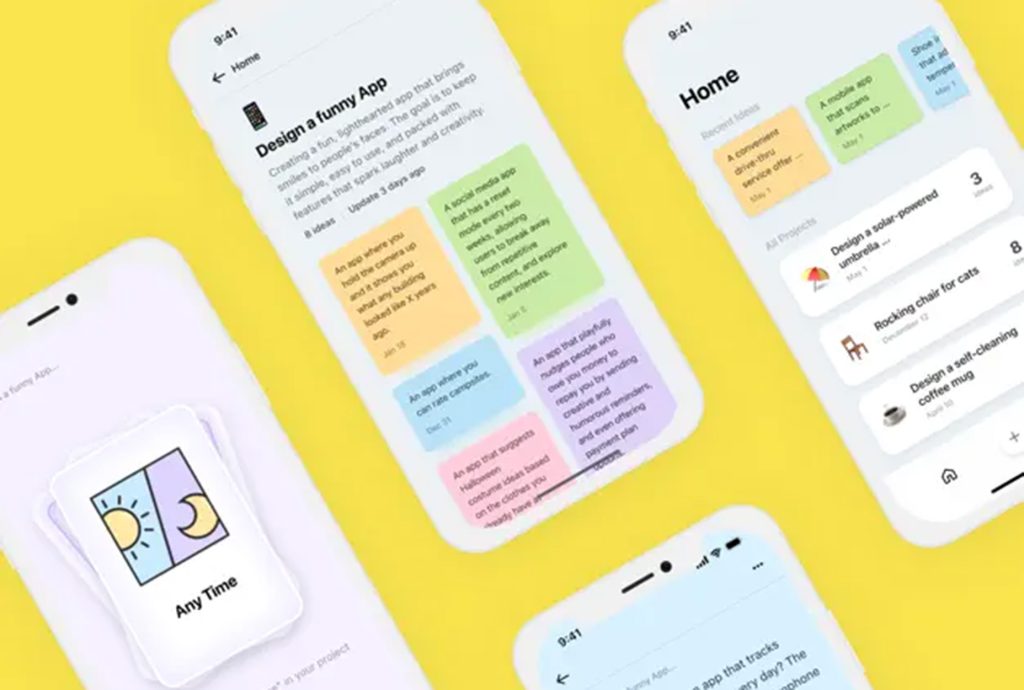
Exciting New Tools for Designers, February 2026
There are so many new – and good – tools for designers out there right now. From tiny bits of artificial intelligence to icons that delight, there’s something to help…