1
For years, human-centered design has been the gold standard in the design world—a philosophy that urges us to put people first, to lead with empathy, and to solve real problems for real users.
It’s shaped how we build websites, apps, services, and even physical spaces. And without question, it has improved the quality and accessibility of countless products.
But as the world shifts—technologically, environmentally, ethically—it’s worth asking: Is human-centered design enough? Or do we need to evolve it for the complex challenges ahead?
This isn’t a rejection of the philosophy. It’s a reflection. A pause. An invitation to expand the conversation.
The Challenge of “The User”
At the heart of human-centered design is the idea of understanding the user. But in practice, that’s easier said than done.
Who is “the user”? What works beautifully for one person can be confusing or frustrating for another. Design personas help, but they often simplify the rich complexity of real human lives.
Even with research and testing, we often default to the most familiar users—those who are easiest to reach or most like ourselves. That can leave important voices out of the room.
If we truly want to design for all humans, we need to acknowledge the limitations of our current tools. We need broader research, more inclusive methods, and more diverse design teams. Human-centered design isn’t flawed—it’s just not complete on its own.
Empathy in Practice
Empathy is a core value in human-centered design. And rightfully so. It’s what keeps us grounded in real needs and experiences.
But even empathy has its limits. True empathy requires more than observation—it requires deep listening, cultural humility, and time. In fast-paced environments, we sometimes rush the process, relying on surface-level insights or assumptions about what people need.
Rather than throwing out empathy, maybe we need to re-center how we practice it: slowing down, involving users earlier and more meaningfully, and staying curious rather than confident.
Balancing Human Needs with Broader Impact
Human-centered design naturally prioritizes the individual user. But sometimes, focusing too closely on short-term convenience can lead to long-term harm. Think about products that prioritize ease over sustainability, or features that create frictionless engagement at the expense of mental health.
Designing for humans must include thinking about consequences—not just for the user, but for society, the environment, and future generations.
This doesn’t mean replacing the user. It means broadening the definition of what it means to be human-centered.
We might start to think in terms like community-centered design, ethics-centered design, or planet-centered design. These aren’t replacements—they’re extensions.
The New Complexity: Designing with AI and Systems
As we enter a world filled with AI-generated interfaces, adaptive algorithms, and intelligent systems, the idea of a fixed “user journey” begins to blur.
When interfaces change dynamically based on inputs, or when users co-create their experience (as they do with large language models, for instance), design becomes less about directing and more about enabling.
Human-centered design will need to stretch to meet this moment—to consider not just the person in front of the screen, but the systems, data, and context behind it.
It’s no longer just about usability. It’s about trust. Transparency. Control. And designing with people, not just for them.
Evolving the Center
So where does this leave us?
It’s not that human-centered design is broken. It’s that it’s evolving—because we are. As technology and society grow more complex, our frameworks need to grow with them.
We still need empathy. We still need to advocate for real people. But we also need to recognize the larger systems in play. Sometimes, a better experience for one person can have unseen costs for others. And sometimes, a good design challenge means balancing individual needs with collective wellbeing.
Maybe the goal isn’t to replace human-centered design, but to expand its circle—to include more perspectives, more stakeholders, and more long-term thinking.
The Takeaway
Human-centered design has given us a powerful lens for creating meaningful, user-friendly experiences. But as the design landscape evolves, so must our approach.
By blending empathy with systems thinking, ethics, and sustainability, we can move toward a future where design serves not just individuals—but humanity as a whole.

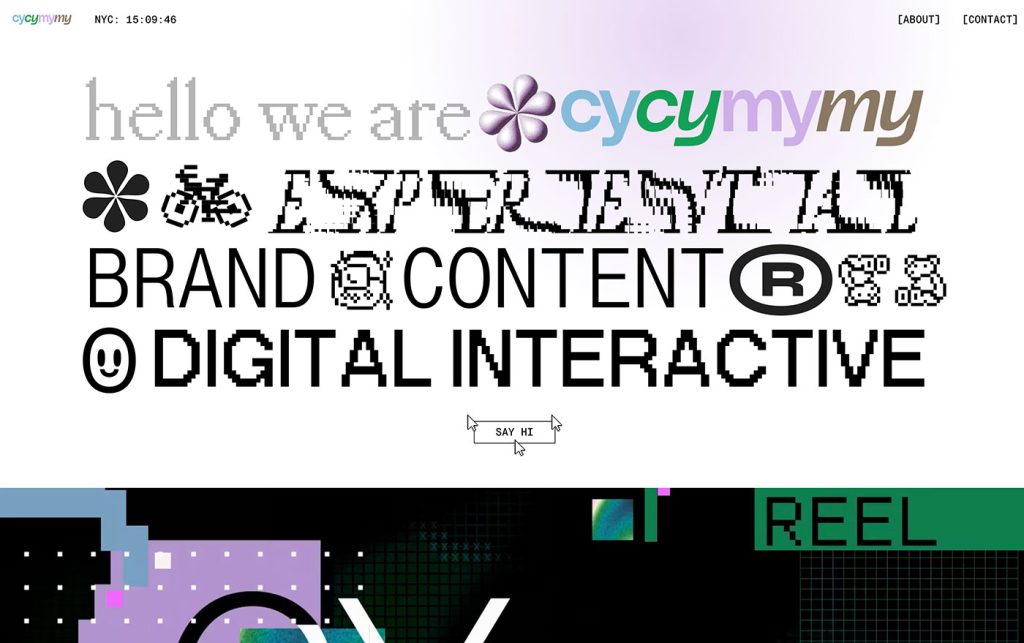
Not Useless: Why Experimental Websites Matter More Than You Think
Every once in a while, a site comes along that makes you pause, grin, and think: Wait—websites can do that? Maybe it’s a portfolio where the cursor morphs into a liquid blob,…
How Aspect Ratios Define Perception, Rhythm, and Flow
Designers talk about color, typography, and hierarchy constantly. But proportion—the silent structure beneath everything—rarely gets the same respect. Every card, photo, video, and module in an interface lives within a…
Token Fatigue: When Abstraction Eats Itself
In theory, design tokens were supposed to save us. They were the missing link between design and code, a neat way to abstract decisions—colors, spacing, typography, motion—into a unified language…
AI as Art Director: Can Machines Develop Taste?
Let’s get this out of the way: AI doesn’t have taste. It has statistics. It knows what’s popular, what’s trending, what’s most likely to earn a double-tap — but it…

Pixel Nostalgia: Why We Miss the 90s Web (Even If It Was Ugly)
It’s easy to laugh at the 90s web now — the blinking GIFs, Comic Sans banners, table layouts held together with duct tape and hope. But beneath all that chaos…
Exciting New Tools for Designers, February 2026
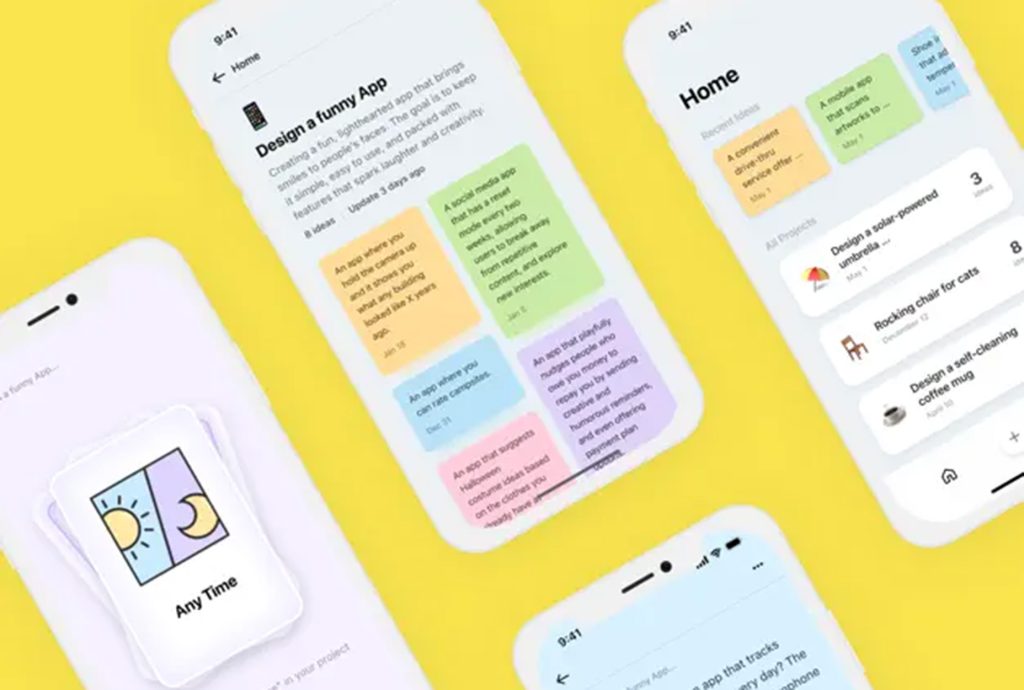
There are so many new – and good – tools for designers out there right now. From tiny bits of artificial intelligence to icons that delight, there’s something to help…