1
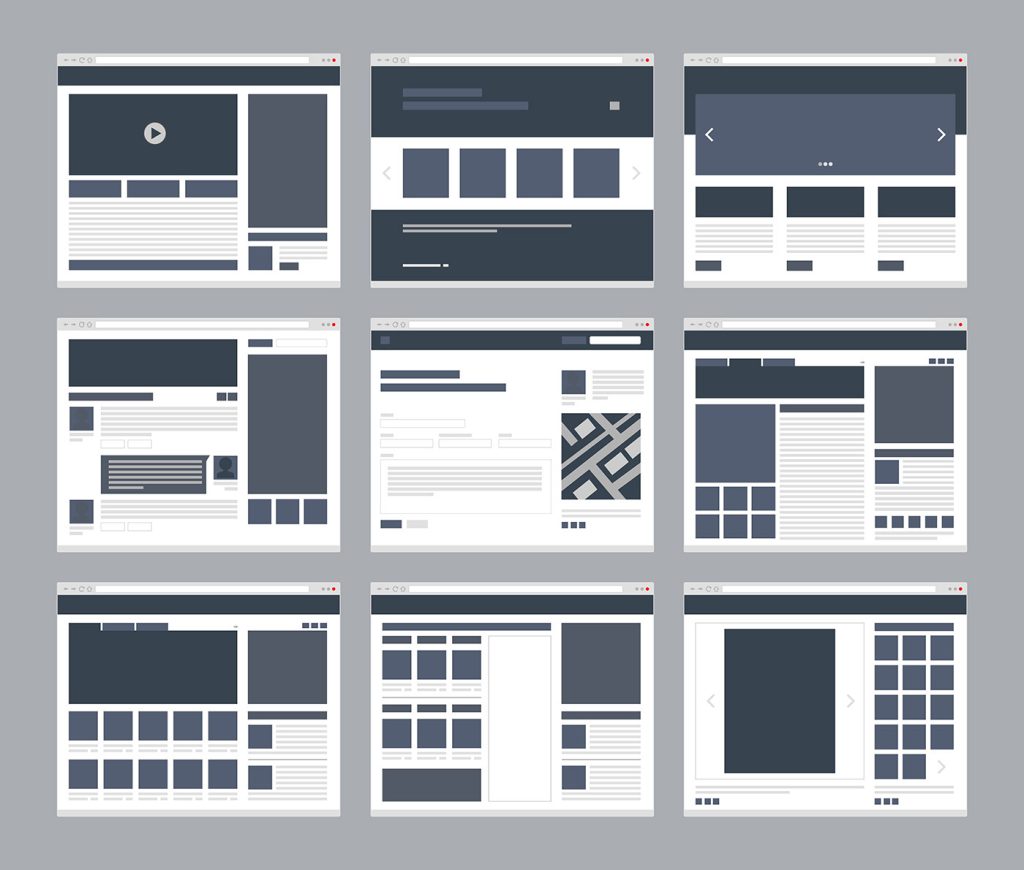
Wireframes once ruled the UX kingdom. They were the designer’s armor — grayscale, boxy, safe. They reassured clients, gave developers something to glance at, and let teams pretend they were “aligned” without committing too much too early.
But in 2025, wireframes feel like fossils. The world has moved on, and the prototype revolution is well underway. Designers who still cling to wireframes aren’t preserving a best practice — they’re dragging a corpse around the studio floor.
It’s time we admit it: wireframes are dead, and prototypes killed them.
The Rise and Fall of Wireframes
To understand why wireframes are dying, you have to remember why they thrived. In the early 2000s, web design was slower, static, and page-centric. Photoshop comps were heavy to produce and difficult to revise. Developers needed a frozen blueprint to translate into code.
Wireframes offered a compromise:
- Fidelity without commitment – enough structure to discuss layout without sparking arguments about colors or fonts.
- Stakeholder reassurance – executives could sign off on something that looked “professional” but unfinished.
- Cheap iteration – easier to redraw rectangles than re-slice Photoshop layers.
They were an artifact of a waterfall world. And for a while, they made sense.
But the internet changed. Agile arrived. Design tools exploded. Users demanded interactive products, not static brochures. Suddenly, wireframes were caught in the middle — not real enough for testing, not abstract enough for ideation.
Wireframes Are Fiction
Here’s the core problem: wireframes don’t survive contact with reality.
- They ignore real content. Lorem ipsum never reveals what happens when someone pastes in a 300-character product name.
- They ignore responsiveness. A gray box doesn’t flex when the viewport shrinks.
- They ignore micro-interactions. Hover states, transitions, and animations don’t exist in grayscale.
- They ignore systems. A rectangle labeled “button” tells you nothing about component behavior, states, or constraints.
Wireframes are essentially design fan fiction — a story about what the product might be. Prototypes, on the other hand, are real enough to use, break, and test.
The Prototype Revolution
Prototypes flipped the script. Instead of abstract placeholders, they deliver interactive, testable, reality-adjacent experiences.
When you give a stakeholder a wireframe, you’re asking them to imagine how it will work. When you give them a prototype, you’re letting them experience it firsthand. One requires guesswork. The other reveals truth.
And here’s the kicker: building prototypes is now faster than producing polished wireframes ever was.
- In Figma, you can rough out a flow in minutes, link screens, and hand it to someone for testing.
- In Framer or Webflow, you can design with production-ready components from the start.
- Even Keynote or Google Slides can be hacked into functional click-through prototypes.
The cycle is simple: sketch → prototype → test. Wireframes no longer fit in the middle.
Why Designers Still Cling to Wireframes
Let’s be controversial for a second: wireframes persist because they protect designers, not users.
Wireframes are a shield. If something looks off, the designer can say: “Don’t worry, it’s just a wireframe.” It gives plausible deniability. Prototypes, by contrast, are harder to hide behind. They expose flaws. They force early testing.
Some designers cling to wireframes because they’re afraid of being wrong too soon. But great teams embrace prototypes precisely because they want to be wrong early — while fixing it is cheap.
The Developer Perspective
Developers never loved wireframes. At best, they tolerated them. At worst, they ignored them completely.
What developers actually want:
- Components, not boxes.
- States, not placeholders.
- Systems, not sketches.
Prototypes deliver exactly that. They map closer to design systems, tokens, and modular codebases. They communicate intent with interaction, not guesswork.
Wireframes, by comparison, are noise: an extra step in the workflow that doesn’t translate to code.
Case Studies: Who Killed Wireframes First
Airbnb: Prototyping Culture
Airbnb famously embraced rapid prototyping as part of its design culture. Designers skipped static deliverables and jumped straight into functional prototypes — even hacking Keynote to create interactive flows before Figma existed. The company valued experience simulation over diagrams, letting them test with users faster than rivals.
Spotify: Testing in Motion
Spotify moved away from static documentation years ago. Their design squads prioritize live experiments and clickable prototypes. Instead of shipping wireframes to devs, they build lightweight prototypes that let them test flows in real time. Music is interactive — so is their design process.
Shopify: Content-First Thinking
Shopify designers openly discuss ditching wireframes in favor of content-driven prototyping. Instead of lorem ipsum, they prototype with real product names, descriptions, and data to see where things break. The result? Designs that actually reflect the complexity of real-world commerce.
The AI Factor: Why Wireframes Can’t Survive
AI is the final nail in the coffin.
- Need a layout? Tools like Galileo AI or Uizard generate production-ready screens in seconds.
- Need variations? AI spins out multiple flows you can test side by side.
- Need copy? No more lorem ipsum — generative text provides realistic placeholders instantly.
In a world where AI delivers polished drafts faster than you can sketch rectangles, wireframes feel absurd. Why settle for “box labeled image” when you can get a working prototype with testable flows instantly?
AI has no patience for rituals. It accelerates reality, and reality is the enemy of wireframes.
What We Lose by Ditching Wireframes
Wireframes did have one redeeming quality: they encouraged restraint. They forced teams to focus on hierarchy before polish, structure before style.
But here’s the truth — low-fidelity prototypes now serve that role better.
You don’t need color or shadows to build a flow in Figma. You can strip a prototype down to black-and-white components and still test it. You still get focus on structure, but with the added benefit of interactivity.
It’s wireframing with honesty baked in.
The Future: Experience Simulation
The shift from wireframes to prototypes is bigger than tools. It’s a mindset shift. It represents the maturity of design as a practice.
Design is no longer about producing artifacts — it’s about simulating experiences. That means:
- Design systems replace wireframes as the building blocks.
- Prototypes replace static PDFs in stakeholder decks.
- Live experiments replace hypothetical debates.
The role of the designer is no longer to “draw the blueprint.” It’s to direct the experience — to let people live inside the future product before it exists.
Practical Steps: Moving from Wireframes to Prototypes
If your team is still wireframing, here’s how to evolve:
- Adopt a content-first mindset. Start with real or realistic data instead of lorem ipsum.
- Prototype ugly, prototype early. Don’t worry about polish — clickable is better than pretty.
- Lean on your design system. Use components to move faster and stay consistent.
- Test in motion. Get prototypes in front of users, not wireframes in front of stakeholders.
- Kill deliverable theater. Stop making wireframes to “prove work.” Your real value is testing and iteration.
The Hard Truth
Wireframes aren’t evolving. They’re being outcompeted. Teams that ditch them for prototypes move faster, test earlier, and learn more. Teams that cling to them are burning hours polishing documents no one uses.
If you’re still delivering wireframes in 2025, you’re not just behind the curve — you’re waving a flag that says: “I don’t understand how modern design works.”
That’s controversial, sure. But it’s also the truth.
The design industry doesn’t need wireframe artists anymore. It needs prototype thinkers — designers who understand that the future isn’t grayscale rectangles. It’s living, breathing, testable experiences from day one.


Facebook’s Design Didn’t Evolve—It Regressed
There was a time when using Facebook felt completely effortless. You didn’t think about the interface because you didn’t need to, which is exactly what great UX is supposed to…
UX Hierarchy: How Users Actually Scan Pages in 2026
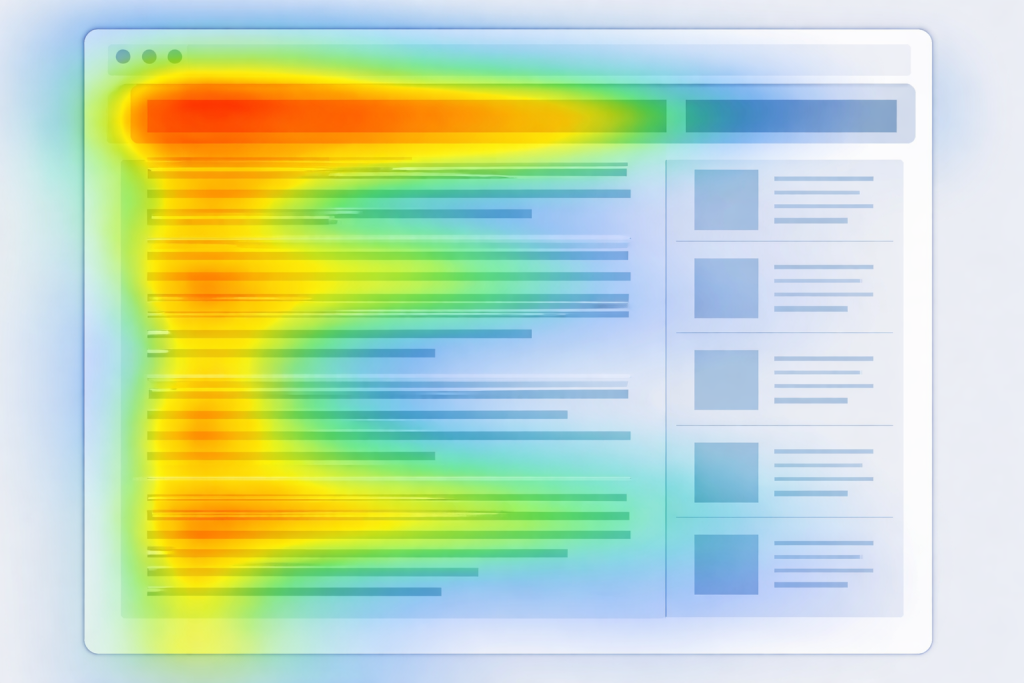
The year 2026 has ushered in a behavioral revolution in web design. For decades, designers relied on the reliable F-pattern and Z-pattern, which were essentially static maps of where eyes fell on…
Not Useless: Why Experimental Websites Matter More Than You Think
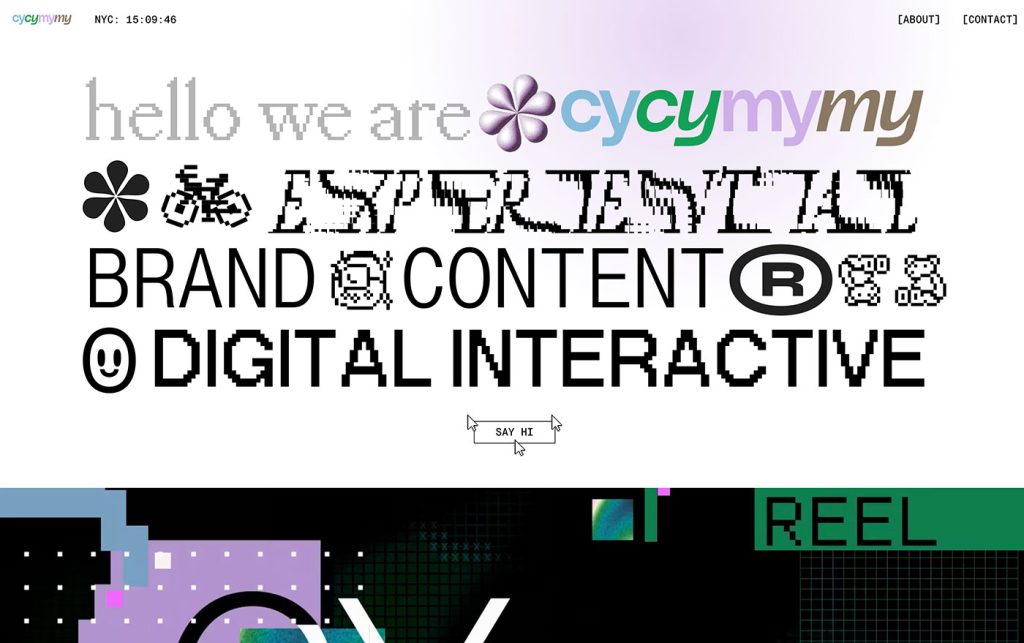
Every once in a while, a site comes along that makes you pause, grin, and think: Wait—websites can do that? Maybe it’s a portfolio where the cursor morphs into a liquid blob,…

The UX Case Study of a Refrigerator
The refrigerator may be the most widely used interface on earth, yet it continues to operate with the quiet confidence of a product that has never once run a usability…

Stop Designing for Delighted Users (and Start Designing for Cognitive Strain)
For the last decade, the mantra of the UX industry has been a variation of the same theme: “Delight the user.” We have been obsessed with reducing friction, eliminating clicks,…
How Aspect Ratios Define Perception, Rhythm, and Flow
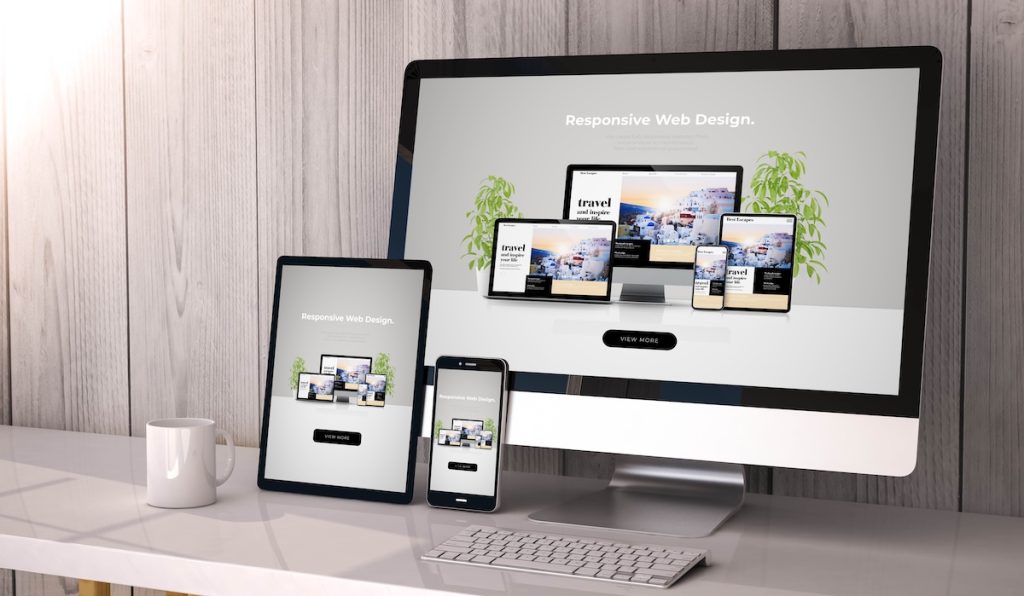
Designers talk about color, typography, and hierarchy constantly. But proportion—the silent structure beneath everything—rarely gets the same respect. Every card, photo, video, and module in an interface lives within a…